 TEKZARO
Pakistan Tech
Islamabad Electric Buses Get Shorter Wait Times on 3 Routes
Three Key Routes Receive Frequency Boosts
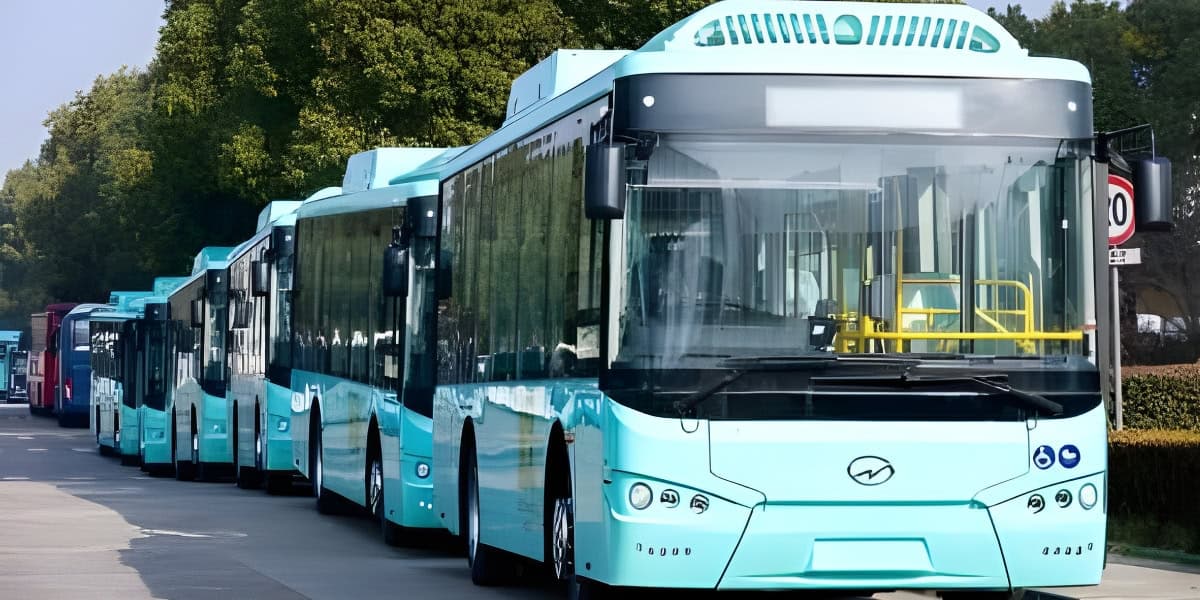
The service improvements affect three of Islamabad's most heavily trafficked electric bus routes, each now operating with significantly tighter headways: Route FR-08B, which operates between Khanna Pul and Nilore, will now arrive every 12 minutes compared to the previous 15-minute interval. This route connects residential sectors to commercial and administrative hubs. Route FR-09, running between Khanna Pul and Golra Mor, has also been reduced from 15-minute to 12-minute frequency. This corridor serves growing demand from commuters commuting between the city center and outer sectors. Route FR-14, operating between Barakahu and Mandi Mor, now provides bus service every 12 minutes instead of every 15 minutes. This route benefits eastern suburban residents seeking reliable connections to central Islamabad. All three routes are part of Islamabad's broader electric bus feeder network, which comprises 13 routes designed to connect residential sectors directly to the main metro stations and transit hubs.
Why the Change?
The CMTA cited growing passenger demand as the primary driver for the frequency increase. As more commuters recognize the benefits of the electric bus network—lower costs, environmental sustainability, and reliability—pressure on existing bus schedules has intensified. The organization responded by reassessing headways on its most congested routes and determining that a 20 percent increase in frequency would better serve commuters without requiring massive capital investment in additional vehicles. The revised schedule reflects a shift in how public transport authorities in Pakistan are responding to demand. Rather than waiting for a comprehensive system overhaul, CMTA implemented tactical improvements on high-demand corridors, delivering tangible benefits to thousands of daily commuters within weeks.
Real-Time Tracking Makes the Improvement Even More Valuable
The wait-time reduction gains additional value from Islamabad's real-time bus tracking system, integrated with Google Maps and the CDA Mobile App. Commuters can now view live bus locations, check arrival and departure times in real-time, and plan entire trips across multiple bus lines and transfer points. This integration addresses one of public transit's persistent pain points: uncertainty. Previously, passengers waited at stops without knowing whether a bus was running late, broken down, or following schedule. Now they can verify exact arrival times, making the 20 percent reduction in headway even more meaningful—not only do buses arrive more frequently, commuters know exactly when they're arriving.
Broader Context: Islamabad's Transit Transformation
The frequency increase represents one piece of a larger transit modernization across Islamabad and Rawalpindi. The city operates a four-line metro bus system (Red, Orange, Blue, and Green lines) alongside the 13-route electric feeder network. The Red Line, the busiest corridor, sees buses arrive every 3 to 5 minutes during peak hours. Orange, Blue, and Green lines operate on 5 to 10-minute headways. The electric feeder buses previously operated on 10 to 15-minute intervals. The new 12-minute standard for the three improved routes narrows that gap and positions these feeders closer to the frequency standards of the main metro lines.
Environmental and Urban Impact
Each improvement to electric bus frequency pushes more commuters toward sustainable transit options. More frequent buses mean reduced passenger crowding, improved ride quality, and a more attractive alternative to personal vehicles. In a city dealing with traffic congestion, these shifts have compounding benefits—fewer cars on the road means less emissions, shorter travel times even for drivers, and reduced infrastructure strain. The shift from personal to public transit also has economic implications for residents. At Rs. 100 per ride on feeder buses (or Rs. 30 for the main Red Line), the cost advantage of transit over vehicle ownership, fuel, and parking is substantial for regular commuters.
What Comes Next
CMTA indicated that it will continue monitoring ridership patterns and performance metrics on all routes. If the three recently upgraded routes show sustained demand, additional frequency increases or capacity expansions could follow. The authority also encouraged passengers to plan journeys according to the revised schedule, which is already in full effect. Commuters can access the updated schedule through the CDA Mobile App or by searching for specific routes in Google Maps, both of which now display real-time bus locations and estimated arrival times. For Islamabad residents and workers, the message is straightforward: the wait is shorter, the buses are coming more often, and you can track them live. For a city steadily building a world-class public transport system, small improvements in frequency compound into major improvements in commuter experience.
Sources