 TEKZARO
Computing
GoPro to expand into AI data centers after $285 million merger with optical-photonics company — move to solve camera maker’s financial woes, move manufacturing back into the US
GoPro to Expand Into AI Data Centers After $285 Million Merger With Optical-Photonics Company
A Lifeline Wrapped in Optical Transceivers
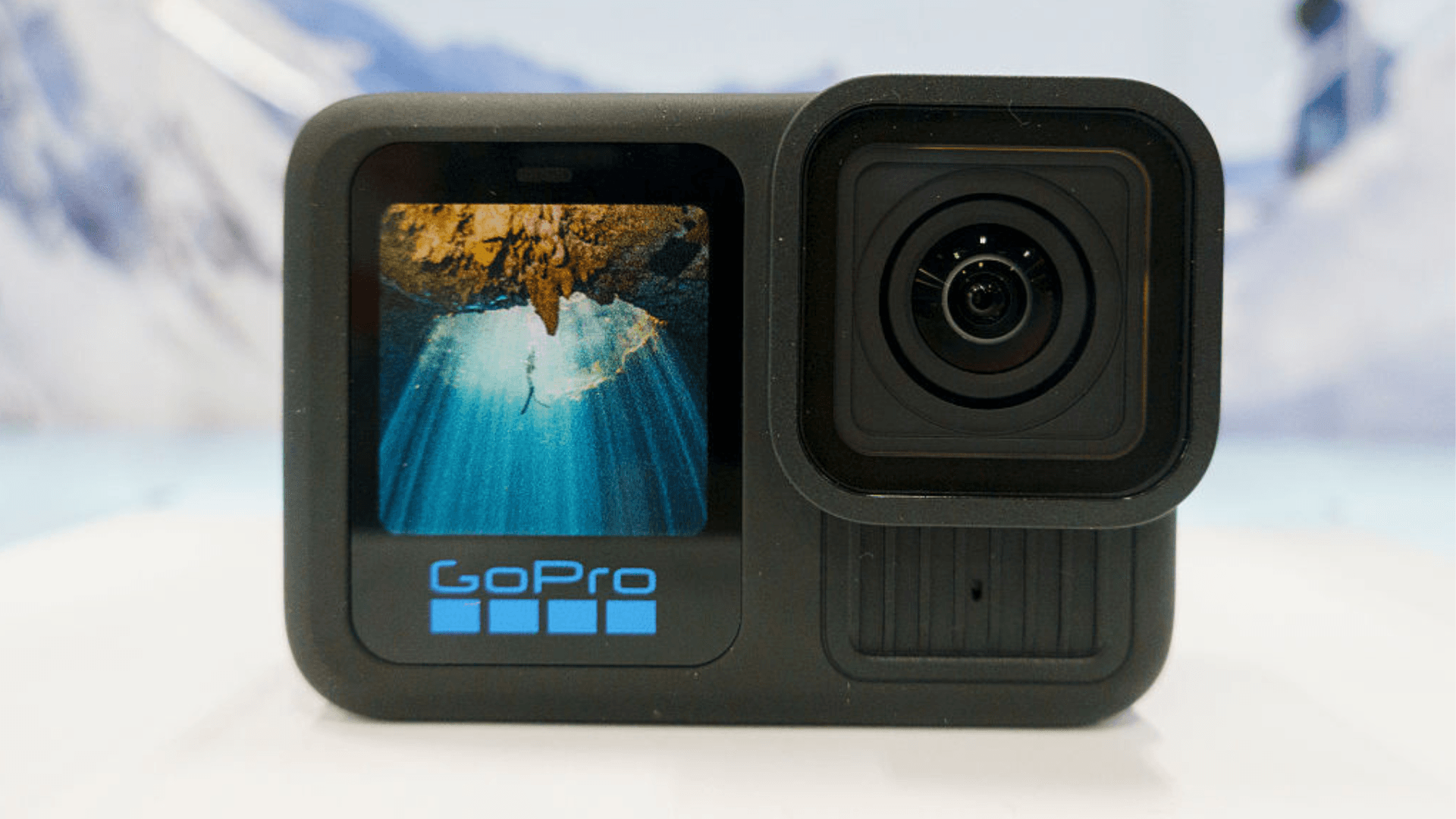
Under the definitive merger agreement announced September 1, GoPro shareholders will receive $285 million in cash, or $1.14 per share, while retaining approximately 10 percent ownership of the combined company. The deal also eliminates $92 million of GoPro's outstanding debt, leaving the merged entity substantially debt-free—a critical outcome given GoPro's disclosures earlier this year that it faced "substantial doubt" about its ability to continue as a going concern. The merger is expected to close by year-end 2026, subject to GoPro shareholder approval and regulatory clearances. GoPro will remain publicly listed on Nasdaq and continue supporting its existing consumer camera business alongside new ventures.
From Hero Cameras to Data Center Optics
Starman Optical manufactures optical transceivers—the networking modules that transmit data between GPUs, switches, and servers inside data centers. These components have become critical infrastructure as hyperscale AI deployments expand, with demand directly tied to the buildout of massive GPU clusters used by cloud providers and AI labs. Starman introduced its Liberty Series of transceivers at the Optical Fiber Communication conference in Los Angeles in March 2026. The current generation is shipping, with faster versions still undergoing customer qualification from major semiconductor makers like NVIDIA, AMD, and Broadcom. The company is a young player in an emerging market segment, not an established supplier with years of volume behind it—but the market opportunity is enormous. The optical-photonics data center interconnect market is projected to reach $144 billion by 2030, and demand vastly outpaces supply as AI labs race to build out their computational infrastructure.
Leveraging 2,500 Patents and Decades of Optics Expertise
The merger gives Starman access to GoPro's formidable IP portfolio—more than 2,500 U.S. patents—along with the company's advanced optical solutions and imaging expertise accumulated over 24 years. GoPro's deep knowledge of optics, miniaturization, and precision manufacturing will inform the development of next-generation data center transceivers while opening additional markets. Beyond data centers, the combined company plans to expand into defense, aerospace, government, and robotics markets—sectors that value GoPro's imaging and optics technology but have nothing to do with action sports.
The Financial Crisis Behind the Deal
The urgency of this deal becomes clear when you examine GoPro's financial deterioration. In the first half of 2026, revenue fell 28.9 percent year-over-year to $204 million from $287 million. The company posted operating losses of $96.2 million and operating cash outflows of $47.4 million. Cash on hand dropped to $27.3 million by June 30, down from $49.7 million at year-end 2025. More alarming: GoPro reported an accumulated deficit of $906.9 million, up from $775.1 million at year-end. First-quarter results were particularly grim, with revenue down 26 percent year-over-year to $99 million, camera sell-through declining 29 percent, an adjusted loss of 35 cents per share, and negative EBITDA of $50 million. The company's troubles stemmed from an increasingly competitive global market, macroeconomic pressure on consumer spending, rising memory costs, and supply constraints. Competitors like DJI and Insta360 have chipped away at GoPro's once-dominant market position. Facing these headwinds, GoPro's board determined in May that the company needed to explore strategic alternatives—a euphemism for potential sale or merger. The board engaged outside advisors to evaluate options and began exploring opportunities in defense and aerospace markets as a way to leverage existing technology in new categories. In June, GoPro disclosed in SEC filings that it did not expect to have sufficient liquidity to meet its obligations as they became due within one year, raising "substantial doubt about the Company's ability to continue as a going concern." The company also announced plans to reduce its global workforce by approximately 23 percent by year-end 2026, affecting roughly 145 employees.
U.S. Manufacturing and Policy Tailwinds
One element of the deal that mirrors current political priorities is the emphasis on U.S.-made optical transceivers. The combined company plans to produce these components domestically, aligning with broader efforts to shore up domestic semiconductor and photonics manufacturing capacity and reduce dependence on Asian supply chains. Defense and aerospace contracts often carry requirements or preferences for domestic manufacturing, which positions the combined entity well for government business. The timing also captures a moment of political focus on reshoring technology manufacturing.
What Comes Next
For GoPro shareholders, the deal delivers immediate value—$1.14 per share in cash plus continued ownership stakes—but represents a dramatic pivot from what was once a pure-play consumer hardware company. Those who bought GoPro stock betting on a resurgence of action camera sales will instead hold equity in an optical infrastructure play with exposure to data center and defense markets. For Starman, the deal provides access to GoPro's massive patent portfolio, proven manufacturing expertise, and established supply chain relationships while funding rapid scaling in a market where demand far outpaces current supply. The merger represents a striking example of how the AI infrastructure boom is reshaping technology companies across sectors. GoPro's expertise in advanced optics and miniaturization, developed over decades making rugged action cameras, now finds application in the critical bottleneck infrastructure keeping large AI clusters connected. If the deal closes on schedule by year-end 2026, the combined company will have solved GoPro's liquidity crisis and gained a foothold in a market segment projected to grow explosively over the remainder of the decade. What remains uncertain is whether the company can execute at scale in a new market segment while maintaining its traditional camera business—and whether shareholders will view the pivot as an innovative use of GoPro's core competencies or a desperate admission that the action camera market has matured beyond recovery.
Sources
Related Articles