 TEKZARO
Computing
Spending deal comes with a bonus: Blocking political control of grants
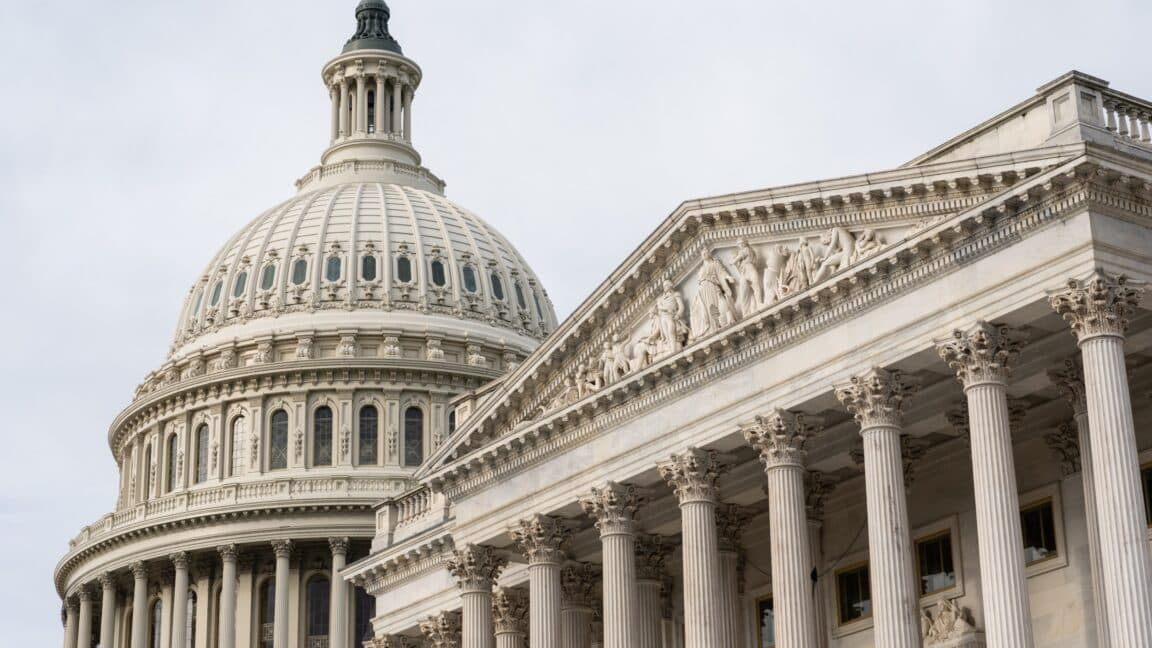
The House passed a stopgap spending bill on Tuesday that keeps the government funded through December 11 while delivering an unexpected victory for the scientific community and research advocates: it blocks the Trump administration from implementing a contested rule that would give political appointees sweeping control over federal research grants. The measure passed 370-48, with overwhelming bipartisan support. While it still requires President Trump's signature, the timing before the midterm elections makes a veto unlikely. The provision is a rare instance of congressional Republicans standing up to a controversial White House policy—though it's only a temporary reprieve.
The Rule That Never Took Effect
The White House proposal, crafted by Office of Management and Budget Director Russell Vought, would have given political appointees firm control over hundreds of billions of dollars in federal discretionary grants. Under the rule, all award decisions would have been subject to review by senior administration officials, who could deny them if they didn't align with the president's agenda. Existing grants could have been canceled at any time with little recourse. The administration initially planned to finalize the rule on October 1. The Senate bill, passed in early August, contains language blocking the OMB from implementing the new rule through the current continuing resolution period. The House simply adopted the Senate version, and that provision now moves to the president's desk.
Why This Matters for Science
The scientific community erupted in opposition to the proposed rule, with organizations ranging from universities to medical research foundations calling it catastrophic for the research enterprise. Critics warned that subjecting grants to political control would undermine the merit-based review process that has long defined federal funding decisions, chill innovation across biomedical research and other fields, and ultimately harm rural communities and families dependent on federally-funded research programs. Appropriations Committee Chair Susan Collins (R-Maine) was among those pushing back hardest. In July, she urged the OMB to withdraw portions of the rule, citing its potential to politicize grants and harm small, rural communities, families, and biomedical research. Collins' concerns appeared to carry weight with Republican leadership, who agreed to the blocking provision as part of the bipartisan negotiations.
The Bigger Picture
However, the reprieve is strictly temporary. The spending bill only blocks the rule until December 11, ensuring that the fight will resume when Congress must pass another funding measure. Top Democratic appropriators, including Rep. Rosa DeLauro of Connecticut, pitched colleagues on the OMB provision in a Tuesday morning meeting to secure Democratic support for the overall bill. But the temporary freeze on the rule could see pushback from some Republicans. OMB Director Vought and other administration officials have signaled they intend to pursue the grant-control proposal once the continuing resolution expires. The provision represents a rare instance of policy pushback from a Republican-controlled Congress against Trump administration actions, though it's worth noting that many congressional Republicans depend on federal research funding flowing to universities and institutions in their districts. The blocking provision protects not only science but also a key source of economic activity in many GOP-held districts.
What Comes Next
The spending deal passes against a backdrop of continued dysfunction in the House Republican caucus. Dissent within the GOP prevented House Republicans from agreeing on their own measure to keep the government open, forcing them to simply adopt the Senate version. Had House Republicans held firm on their original position, the grant-control rule might have proceeded unblocked. Democrats secured a temporary win on the OMB provision, though expectations for a productive December negotiation remain low. Rep. Don Beyer (D-Va.) told reporters that his expectations are "minimalist" because of ongoing dysfunction in the GOP-controlled House, particularly from the Freedom Caucus. The measure still requires President Trump's signature. While a veto before the midterm elections would trigger a government shutdown, the timing gives Democrats reason to believe the bill will be signed. Once it reaches the president's desk, however, the scientific community's reprieve from political grant control will have an expiration date: December 11, 2026.
Sources
Related Articles