 TEKZARO
Pakistan
KP Minerals Department Faces Rs16.94 Billion in Audit Irregularities
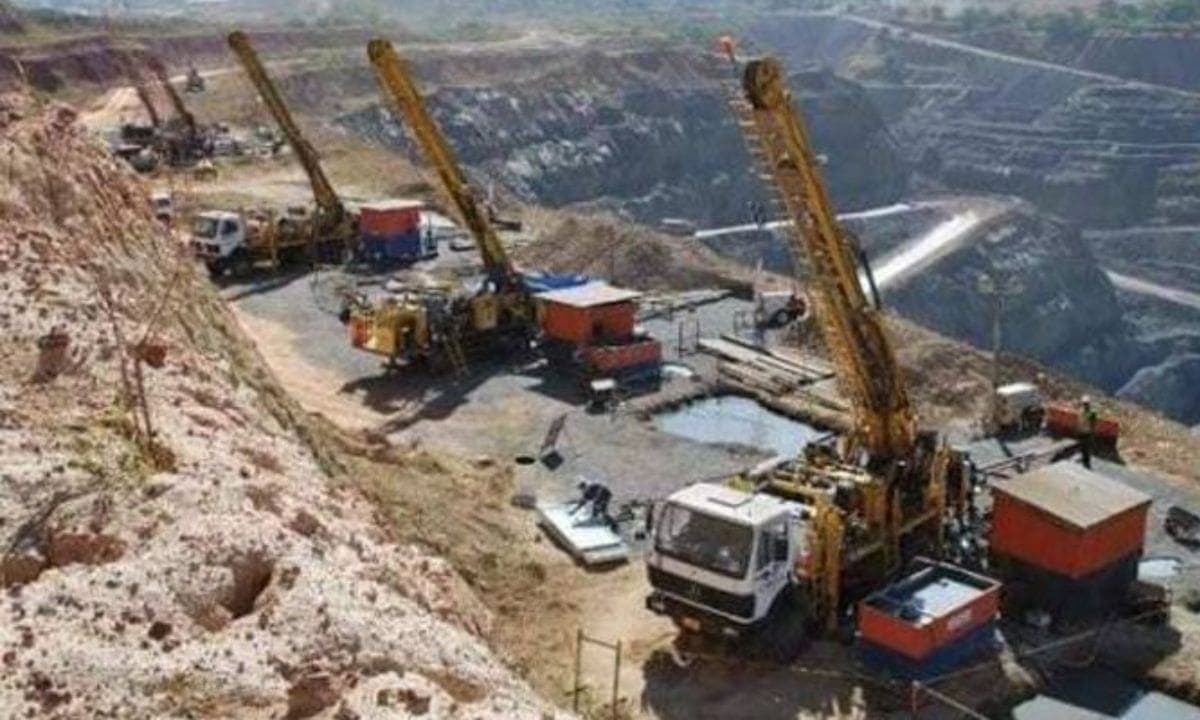
PESHAWAR: An audit report has identified financial irregularities worth Rs16.94 billion in Khyber Pakhtunkhwa’s Minerals Department, raising concerns about illegal mining, unpaid government dues and weaknesses in the collection of public revenue.
According to a report published on October 15, 2026, the findings by the Auditor General of Pakistan point to substantial losses and outstanding payments associated with mining operations and the department’s revenue management.
Illegal Mining Accounts for Billions in Losses
Illegal mining was identified as one of the major sources of financial losses, with the report estimating that it cost the provincial government approximately Rs8 billion.
The audit also identified an additional estimated loss of Rs1.83 billion linked to the failure to prevent illegal mining activities. These findings raise questions about the effectiveness of monitoring systems and enforcement measures intended to protect the province’s mineral resources.
Billions in Outstanding Payments
The report highlighted Rs4.31 billion in outstanding payments that could not be recovered from defaulting contractors.
Another Rs810 million in dues from mineral leaseholders reportedly remained unrecovered, while approximately Rs580 million in joint-venture profits had not been deposited into the provincial government’s accounts.
The findings indicate potential weaknesses in the collection and monitoring of payments owed to the provincial exchequer.
Other Financial Irregularities Identified
The audit also identified several additional cases involving revenue shortfalls and the management of public resources.
These included an estimated Rs140 million loss associated with public land being rented at rates described as excessively low. Meanwhile, approximately Rs530 million in mining-related dues connected to small dam projects reportedly remained uncollected.
The failure to award mineral contracts was also linked to an estimated Rs250 million in lost revenue. In Mardan district, outstanding royalty payments of approximately Rs63.6 million were reported.
Questions Over Accountability and Revenue Collection
The findings highlight challenges in controlling unauthorised mining, recovering outstanding payments and ensuring that mineral resources generate revenue for the provincial government.
Effective monitoring, timely recovery of dues and enforcement of mining regulations are important for protecting public finances and ensuring that mining activity contributes fairly to the provincial economy.
However, audit observations do not automatically establish criminal wrongdoing by specific individuals. Responsibility for the reported irregularities would need to be determined through the relevant departmental reviews, investigations and accountability procedures.
The findings are likely to increase scrutiny of the Minerals Department’s financial controls and its efforts to recover outstanding government revenue.
Sources
Related Articles