 TEKZARO
Pakistan
Pakistan Ranks Second-Worst in South Asia on Hunger Index
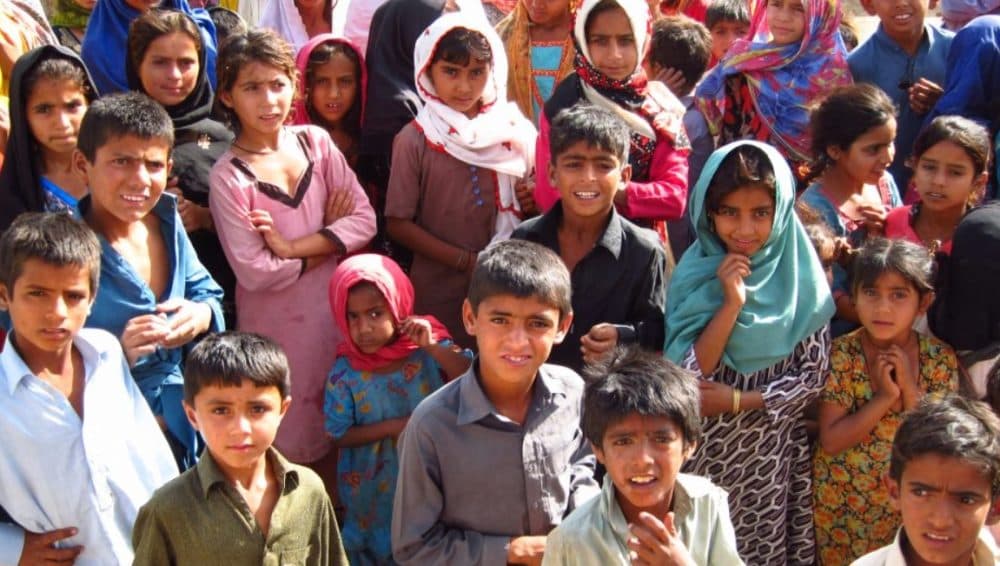
Pakistan has ranked second-worst in South Asia on the 2026 Global Hunger Index (GHI), highlighting persistent challenges involving food insecurity, undernutrition and child malnutrition.
According to the report, published in October 2026, Pakistan recorded a hunger score of 25.5, placing it in the “serious” hunger category. The country ranked 106th among 122 countries with sufficient data for assessment.
Afghanistan was the only South Asian country with a higher hunger score, recording 28.6. South Asia’s regional score stood at 23.5, compared with the global average of 18.1.
Millions Face Food and Nutrition Challenges
The report highlights several indicators of Pakistan’s food and nutrition situation:
- 16.1% of the population is undernourished.
- 33.6% of children under five experience stunted growth, reflecting chronic undernutrition.
- 9.8% of children under five suffer from wasting, associated with acute undernutrition.
- 5.6% of children die before reaching their fifth birthday.
These indicators reflect the scale of the country’s nutrition challenges, particularly among young children and households struggling to access adequate food.
Economic Pressure and Climate Shocks Add to the Crisis
Economic instability and rising food prices have weakened the purchasing power of many Pakistani households, making it harder for families to afford nutritious meals.
Climate-related disasters, including heavy rainfall and floods, have also damaged crops and disrupted livelihoods. These pressures can increase food insecurity, especially in vulnerable rural communities.
The wider international environment has added further risks through conflicts, disrupted supply chains and higher costs for fuel, transportation and fertilisers.
Pakistan Has Made Long-Term Progress, but Challenges Remain
Despite its weak regional position, Pakistan’s hunger score has improved over the longer term. The 2026 report places the country’s score at 25.5, down from 36.2 in 2000.
However, long-term improvement does not mean the problem has been resolved. The report points to worsening conditions in Pakistan and Afghanistan since 2018, underlining concerns about the pace and sustainability of progress.
The Global Hunger Index assesses hunger using four indicators: undernourishment, child stunting, child wasting and under-five mortality. Its score provides a broader picture of hunger and nutrition rather than simply measuring the number of people who cannot afford food.
What Needs to Change?
Addressing Pakistan’s hunger challenges requires sustained efforts to improve access to affordable nutritious food, strengthen social protection for vulnerable families, improve maternal and child nutrition, and make agricultural systems more resilient to extreme weather.
Better nutrition services, reliable food assistance and policies that protect household purchasing power will also be important in reducing the burden on low-income communities.
The bottom line: Pakistan is among the most severely affected countries in South Asia according to the 2026 Global Hunger Index. Although its score has improved since 2000, widespread undernutrition and child malnutrition remain serious concerns.
Sources
Related Articles