 TEKZARO
Pakistan
Pakistan Receives $4.1 Billion Under IMF Programme
<br># Pakistan Receives $4.1 Billion Under IMF Programme
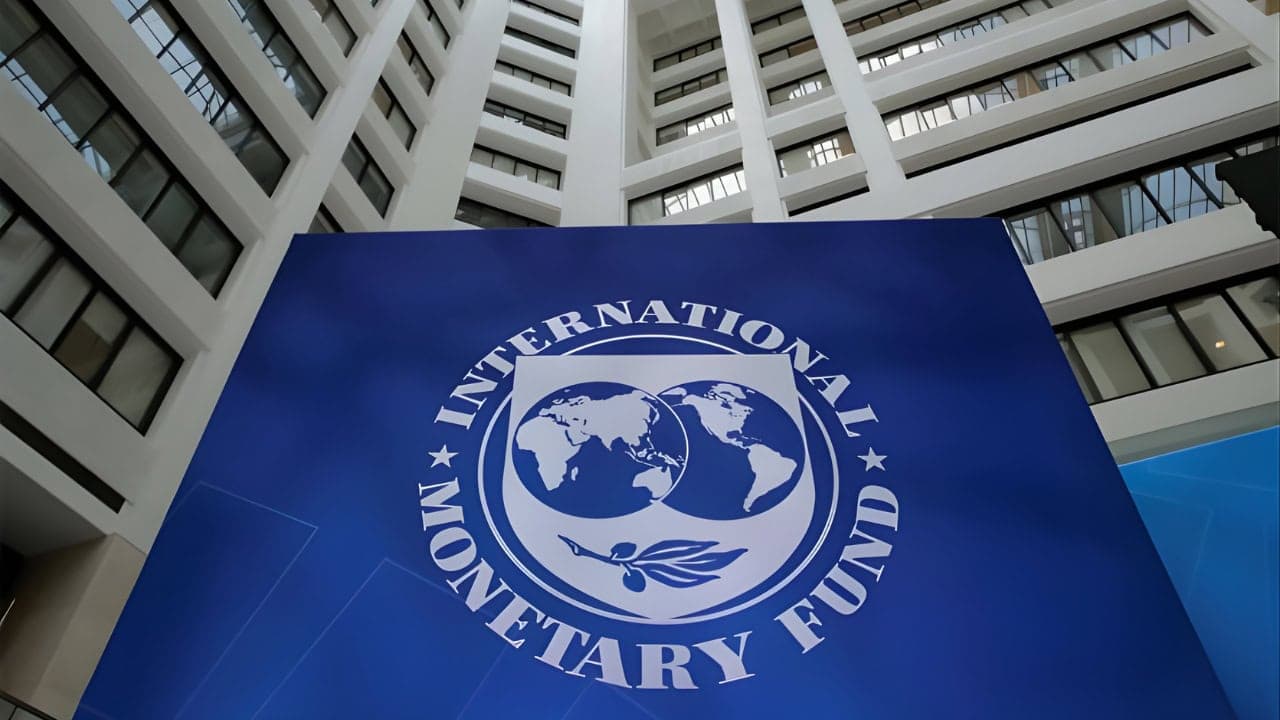
Pakistan has received $4.1 billion from the International Monetary Fund under its ongoing loan programme, Finance Secretary Imdad Ullah Bosal disclosed to the National Assembly Standing Committee on Finance on Thursday. Syed Naveed Qamar chaired the meeting.
The Programme Mechanics
The figure covers disbursements under the Extended Fund Facility, the 37-month programme approved in September 2024 with a total commitment of $7 billion, plus tranches from the Resilience and Sustainability Facility approved in May 2025 with access of approximately $1.4 billion.
Three reviews have been completed so far. The first was cleared in September 2025, releasing around $1 billion and simultaneously approving the RSF arrangement. The second was cleared in December 2025 following staff-level agreement, releasing around $1 billion under the EFF and $220 million under the RSF. The third was completed in May 2026, releasing approximately $1.1 billion under the EFF and a further RSF tranche, bringing total disbursements at that point to around $4.8 billion combined under both facilities.
The $4.1 billion figure Bosal cited appears to cover disbursements received to date, which may reflect timing of actual receipt versus IMF approval dates, or may be specific to the EFF component. The IMF's own published figure for combined EFF and RSF disbursements through the third review in May was approximately $4.8 billion.
What Bosal Told the Committee
Bosal said the programme aims to strengthen Pakistan's foreign exchange reserves and improve its ability to meet external debt obligations. He said IMF support had helped Pakistan meet debt repayment needs, supported tax reforms and reduced pressure on external payments.
He acknowledged that Pakistan had generally met programme conditions but had missed some targets. Three areas of concern were identified.
Energy-sector circular debt remains a key issue. Pakistan has made limited progress toward the IMF's circular debt reduction targets, though Bosal said the government had kept circular debt within the prescribed limit — a formulation that suggests compliance with the ceiling while acknowledging the structural problem has not been addressed.
State-owned enterprise loss reduction targets have not been fully achieved, though Bosal said significant efforts are being made.
Education and health spending targets were not met in full. The government could not achieve planned spending levels in either sector.
The Broader Picture
The IMF's own assessment at the May review was that Pakistan's strong implementation, despite the Middle East war, had maintained economic stability and improved financing and external conditions.
The macro indicators support that characterisation. A primary surplus of 1.6 percent of GDP was expected in FY2026. Foreign exchange reserves rose to $16 billion at end-December from $14.5 billion in June 2025. Inflation fell to a historic low of 0.3 percent in April before pressures from higher oil prices and the Middle East conflict pushed costs up again.
The IMF's structural demands have been consistent across reviews: energy price reform to reflect actual costs while protecting vulnerable households, privatisation of state-owned enterprises, stronger anti-corruption institutions, and deeper tax base expansion.
The Upcoming Review
The fourth review is expected in September 2026, with Finance Minister Muhammad Aurangzeb scheduled to brief the fund on progress. The September negotiations include discussions on the gas sector circular debt settlement plan, which the government has prepared separately as a three-year Rs. 3.6 trillion clearance proposal.
The missed targets on circular debt and SOE losses are the live issues heading into that review. How the IMF assesses progress — and whether any waiver conditions are attached — will determine the size and timing of the next disbursement.
Sources: bloompakistan.com, Geo TV, IMF Press Release
Sources
Related Articles