 TEKZARO
Pakistan
Sindh Links All Educational Boards With NADRA to Prevent Fake Degrees
Sindh has signed an agreement with the National Database and Registration Authority (NADRA) to connect all educational boards across the province to its secure digital system, aiming to prevent fake academic certificates and examination impersonation. The initiative will also allow students to access their verified educational degrees through NADRA’s Pak ID application, according to provincial officials.
Sindh Becomes First Province to Connect All Education Boards With NADRA
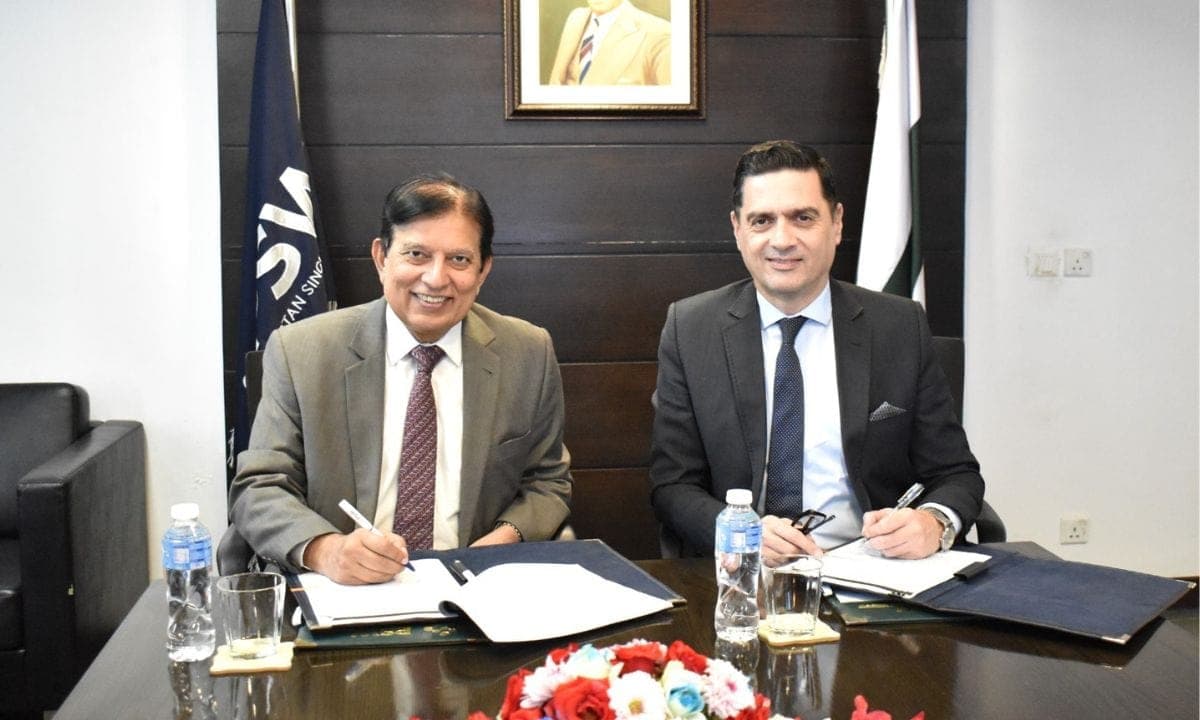
The agreement was signed at a ceremony attended by Sindh Minister for Universities and Boards Ismail Rahoo, NADRA officials and chairpersons of the province’s educational boards, according to reports published on October 12, 2026.
Rahoo said the integration would strengthen the verification of academic records and improve transparency in the examination system. Under the arrangement, educational boards will be connected to NADRA’s digital infrastructure to support more reliable student identification and academic record management.
The move makes Sindh the first province in Pakistan reported to have connected all its educational boards with NADRA through this arrangement. The initiative forms part of a broader push to digitise public services and make official records easier to authenticate.
How the System Could Help Prevent Fake Degrees
Fake degrees and forged certificates can allow individuals to misrepresent their educational qualifications when applying for jobs, seeking admission or meeting professional requirements. Verifying such documents through separate manual processes can take time and may make it harder for institutions to establish whether a certificate is genuine.
Linking educational boards with NADRA could strengthen the process by connecting academic records with verified identity information. This could help institutions establish whether a qualification belongs to the person presenting it and make certain forms of document fraud more difficult.
The integration is also intended to discourage proxy examinations, in which someone sits an examination on behalf of another candidate. Reliable identity checks can help examination authorities confirm candidates’ identities and reduce opportunities for impersonation.
However, the agreement does not by itself establish how every form of examination fraud will be prevented. Its effectiveness will depend on the verification procedures adopted by the boards, the quality of existing records and how consistently identity checks are applied.
Verified Educational Degrees to Be Available Through Pak ID
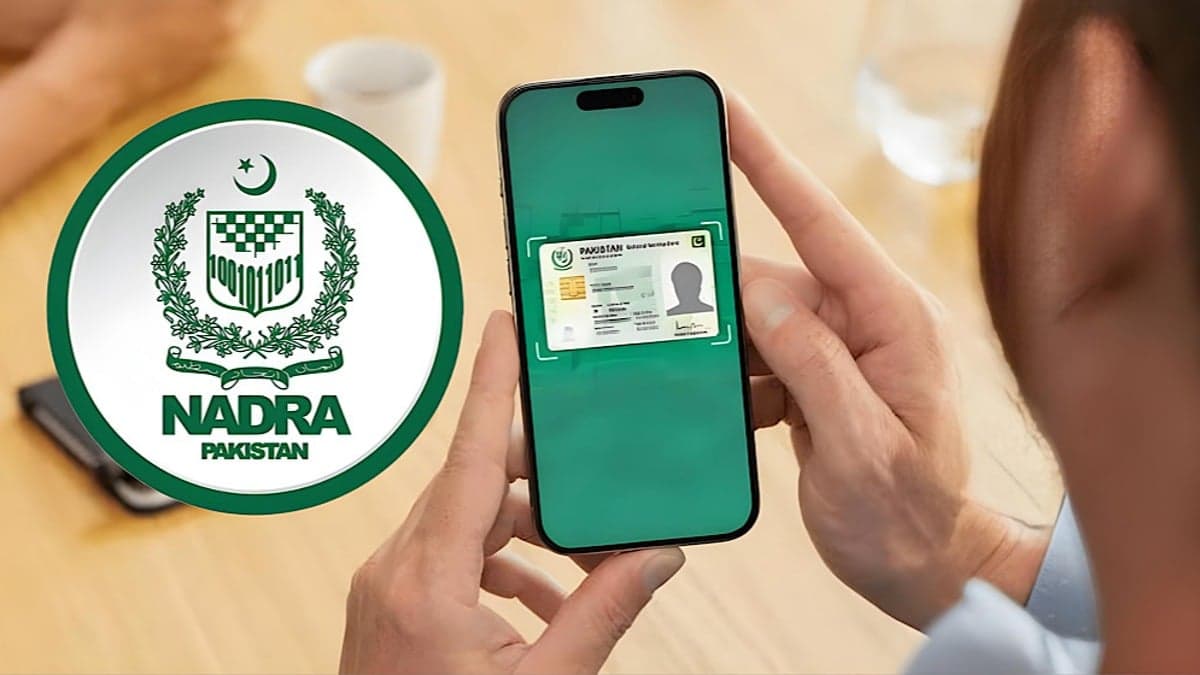
Rahoo said students would also be able to access their verified educational degrees through NADRA’s Pak ID application.
The proposed digital access could make it easier for students to retrieve and present their academic credentials when applying for employment, pursuing further education or completing other official processes. Digital verification could also reduce dependence on repeated paper-based checks, although the extent of that benefit will depend on how institutions adopt the system.
Officials have not publicly detailed the full rollout schedule, the initial range of certificates that will be available or the precise steps students will need to follow to access their records. Students should therefore wait for formal instructions before assuming that all existing qualifications are already available through the application.
NADRA to Provide Integration Free of Charge
NADRA’s director general said the authority would provide the integration facility to all educational boards free of charge, according to reports of the signing ceremony.
Removing the direct charge for integration could make it easier for boards to participate without having to pay NADRA for the connection itself. However, the announcement does not clarify whether all associated costs, including record digitisation, internal system upgrades, staff training and long-term maintenance, will also be covered.
Those implementation details matter because connecting separate institutions to a shared digital system requires more than establishing a technical link. Boards must also ensure that records are accurate, historical data can be reconciled and authorised users can retrieve information reliably.
Pakistan Has Already Started Integrating Academic Records With NADRA
Sindh’s agreement follows an earlier initiative involving the Federal Board of Intermediate and Secondary Education (FBISE). On September 1, 2026, NADRA announced an agreement with FBISE to integrate student registration and educational certificate systems for Matriculation and Intermediate examinations.
According to NADRA, the federal initiative established a data-exchange mechanism through which the authority could provide student details, including names, fathers’ names and dates of birth, to improve registration accuracy. The agreement also included plans for a secure digital wallet through which students could access, store and digitally share educational certificates.
NADRA said the federal initiative was part of a wider effort to integrate national identity systems with educational records across secondary and higher secondary boards, universities and the Higher Education Commission.
The Sindh agreement extends this broader direction at the provincial level, although the arrangements announced for Sindh should not be assumed to have identical technical features or timelines to the FBISE project.
Data Accuracy, Privacy and Implementation Will Be Critical
The system’s practical value will depend on the accuracy of the information held by educational boards and the safeguards used when linking it with identity records. Incorrect names, dates of birth or other details could create verification problems for legitimate students, particularly those whose older records contain inconsistencies.
The integration will also require clear rules governing who can access academic records, how students can correct errors and what procedures apply when a qualification cannot be verified automatically. Protecting personal information will be important as more educational records become accessible through digital services.
The announcement has not yet provided detailed public information on these safeguards, the mechanism for resolving disputed records or the timeline for full implementation across the province.
The next stage will be to establish how quickly the boards complete integration and when students can begin using the Pak ID application to retrieve their verified qualifications. The system’s impact will ultimately depend on whether it delivers accurate, accessible and consistently applied verification in practice.
Sources
Related Articles