 TEKZARO
Pakistan
US Student Visa Fraudster Used ChatGPT to Trick Laiba Ejaz
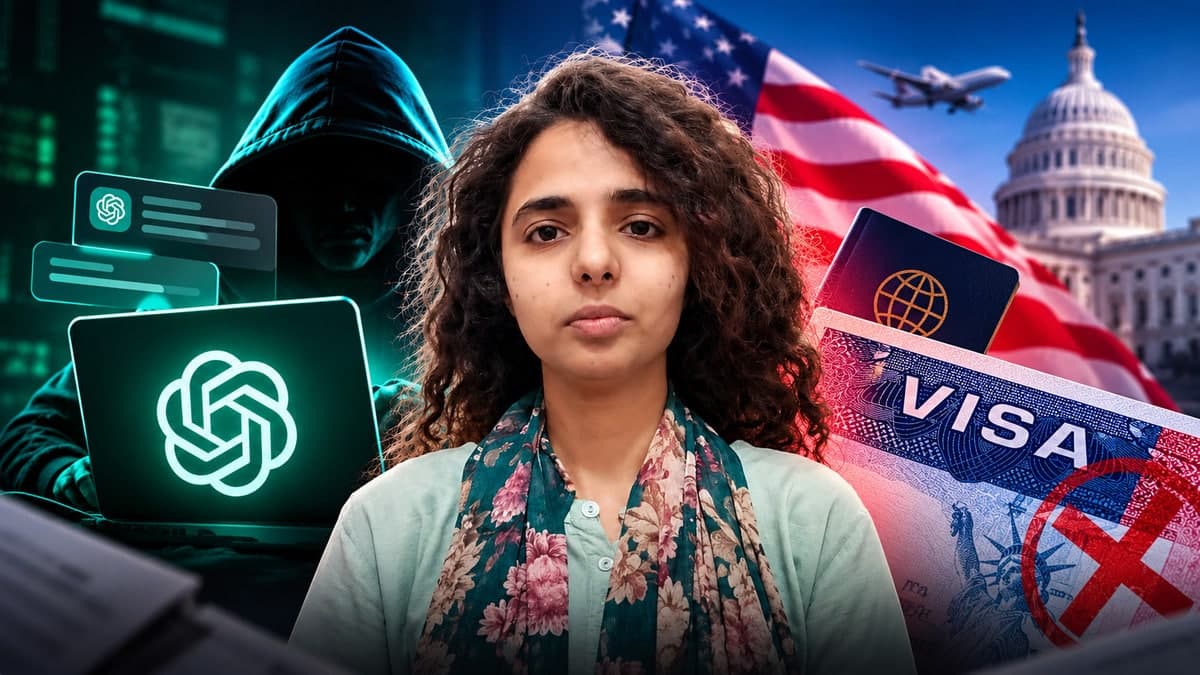
A suspect accused of defrauding Islamabad student Laiba Ejaz by promising admission to a US university, a scholarship and a student visa allegedly used ChatGPT to impersonate other people and make the scheme appear legitimate, according to police sources. The case has raised concerns about the use of artificial intelligence to support online impersonation and document fraud, as investigators examine an alleged Rs 9.3 million scam linked to the student's death.
How the Alleged Fraud Began
Laiba Ejaz, a gold medallist who graduated from the International Islamic University Islamabad (IIUI), wanted to pursue further studies in the United States. According to police accounts reported by Pakistani news outlets on October 12, the main suspect, identified as Muhammad Nauman, came into contact with her through earlier employment-related dealings.
Investigators said Nauman had worked in the Anti-Corruption Department before moving into the insurance sector. He allegedly developed a relationship of trust with Laiba and her family before offering to help arrange her overseas education.
The proposed arrangement reportedly involved university admission, scholarship documentation and a US student visa. These services were presented as a route for Laiba to continue her education abroad, but investigators say the documents supplied to support the claims were fraudulent.
The case has attracted public attention because the alleged deception targeted a student pursuing further education and involved substantial financial sacrifices by her family.
ChatGPT Allegedly Used to Impersonate Other People
According to police sources cited by Geo News and other Pakistani media outlets, Nauman allegedly used ChatGPT while impersonating a woman known to Laiba and the woman's brother, who was said to be living in the United States.
Investigators allege that the suspect created separate online identities and used them to communicate with Laiba, making it appear that multiple people were involved in helping her secure a visa. ChatGPT was reportedly used to generate responses during these exchanges.
The alleged approach illustrates how generative AI can be misused to sustain a false identity. A person attempting to deceive a victim can use an AI assistant to draft convincing messages, maintain a consistent narrative and respond to questions without independently possessing the expertise being claimed.
However, the allegations do not establish that ChatGPT independently created or verified the fraudulent documents. The reported scheme involved a suspect allegedly using the tool as part of a broader impersonation operation. Investigators will need digital evidence to establish precisely how the technology was used.
Fake Documents and Repeated Visa Interview Dates
Police sources said Laiba received documents presented as evidence of the proposed US university and visa arrangements. The suspect allegedly supplied information about visa interview appointments, with dates reportedly changed several times.
According to the accounts published on October 12, the proposed appointments were initially given for September 1, followed by September 17 and September 26. The repeated changes eventually prompted Laiba to question the arrangements and examine the paperwork.
The documents were subsequently found to be fake, according to investigators cited in media reports.
The case demonstrates why applicants should independently verify university admission offers, scholarship awards and visa-related claims rather than relying solely on documents supplied by an intermediary. A professional-looking letter, an apparently credible email exchange or a detailed explanation generated with AI does not establish that an institution has issued a genuine offer.
Family Reportedly Lost Rs 9.3 Million
The alleged fraud involved Rs 9.3 million, according to the Federal Investigation Agency case details reported by Dawn and the Associated Press of Pakistan's reporting service. The family's complaint alleges that the money was handed over on promises of arranging admission, a scholarship and a US visa.
Reports indicate that the family made significant financial sacrifices to support Laiba's plans for overseas education. Her father reportedly sold property to raise money, while jewellery belonging to the family was also handed over in connection with the proposed arrangements.
The discovery that the documents were fraudulent left the family seeking the return of its money and belongings. Investigators say the suspect allegedly stopped responding to communications as the dispute developed.
The exact breakdown of the reported financial loss and the roles of other individuals remain matters for the investigation and court proceedings.
Laiba Ejaz's Death and the Investigation
Laiba was found dead in Islamabad's G-10 sector on October 9, 2026, in what authorities reported as an apparent suicide. Police have been investigating the circumstances surrounding her death alongside the alleged financial fraud.
The Federal Investigation Agency registered a case concerning the alleged fraud, while police arrested Nauman and brought him before a court. Dawn reported on October 12 that a judicial magistrate granted police 5 days of physical remand to investigate the case.
The FIR reportedly includes allegations involving cheating, impersonation and fraudulent promises related to overseas travel and education. These are allegations, and the suspect's guilt has not been established by a court.
Investigators are also examining whether other individuals were involved and whether similar alleged frauds affected additional victims. Digital evidence, financial records and communications are expected to play an important role in establishing the sequence of events.
Laiba's death should not be reduced to a single cause or attributed solely to the alleged fraud without the findings of a full investigation. The case involves a devastating personal loss as well as serious allegations that require careful examination.
The Wider Warning for Students Seeking Education Abroad
The case highlights the risks faced by students navigating international admissions and visa procedures, particularly when an intermediary claims to have special access to universities, scholarships or embassy appointments.
Applicants should confirm admission offers directly with the university using contact details published on its official website. Scholarship awards should be checked with the awarding institution, while visa procedures and appointment information should be verified through official US government channels. Students should also be cautious about transferring large sums to individuals who cannot provide independently verifiable credentials and contractual terms.
The incident also underscores a broader challenge for AI developers and digital platforms. Generative AI can help legitimate users communicate and understand complex procedures, but the same capabilities can be misused to make impersonation more convincing. Preventing such abuse requires effective safeguards, public awareness and timely investigation when fraud is reported.
Authorities are continuing to investigate the alleged scheme, including the financial transactions and digital communications connected to the suspect. The findings will be important in determining how the deception was carried out, whether others participated and whether additional victims can be identified.
Sources
Related Articles