 TEKZARO
Pakistan
Digital Payments in Pakistan Surge 306% Under Cashless Initiative

Pakistan’s Cashless Pakistan initiative has recorded a sharp expansion in digital-payment infrastructure, with active digital-commerce payment points increasing by 306% to 2.03 million by June 2026, according to figures reported from a Finance Ministry document submitted to the National Assembly.
The initiative, launched in June 2025, aims to reduce reliance on cash, expand access to digital financial services and improve transparency across commercial and government transactions.
Digital Payment Points Reach 2.03 Million
The number of active digital-commerce payment points rose from a baseline of 500,000 to 2.03 million by June 2026. Of these, approximately 1.73 million merchants were actively using Raast QR payments.
The expansion reflects a broader push to make electronic payments accessible to retailers and businesses, including smaller merchants that have traditionally relied on cash.
The government has supported QR-payment adoption through the Raast instant payment system and a subsidy programme intended to encourage merchants to accept digital payments.
Digital Banking Users Increase to 137 Million
The initiative has also coincided with growth in digital banking access.
According to the reported Finance Ministry figures, the number of mobile, internet-app and digital banking users increased from 95 million to 137 million.
Annual digital transactions rose from 6.9 billion to 11.9 billion under the initiative’s reported indicators, demonstrating increasing use of electronic payment channels.
Separately, the State Bank of Pakistan’s FY2025–26 annual payment-systems report recorded 13.2 billion digital transactions through formal banking channels during the fiscal year. The figures come from different reporting frameworks and should not be treated as identical measures.
Government Payments Are Moving Online
Digitalisation is also expanding across government services and public disbursements.
Government-to-person payments made through Raast and digital banking channels reportedly increased from Rs472 billion in July 2025 to Rs4.402 trillion in June 2026.
More than 84% of the reported government-to-person transaction volume was processed through Raast, according to figures published on the initiative’s progress.
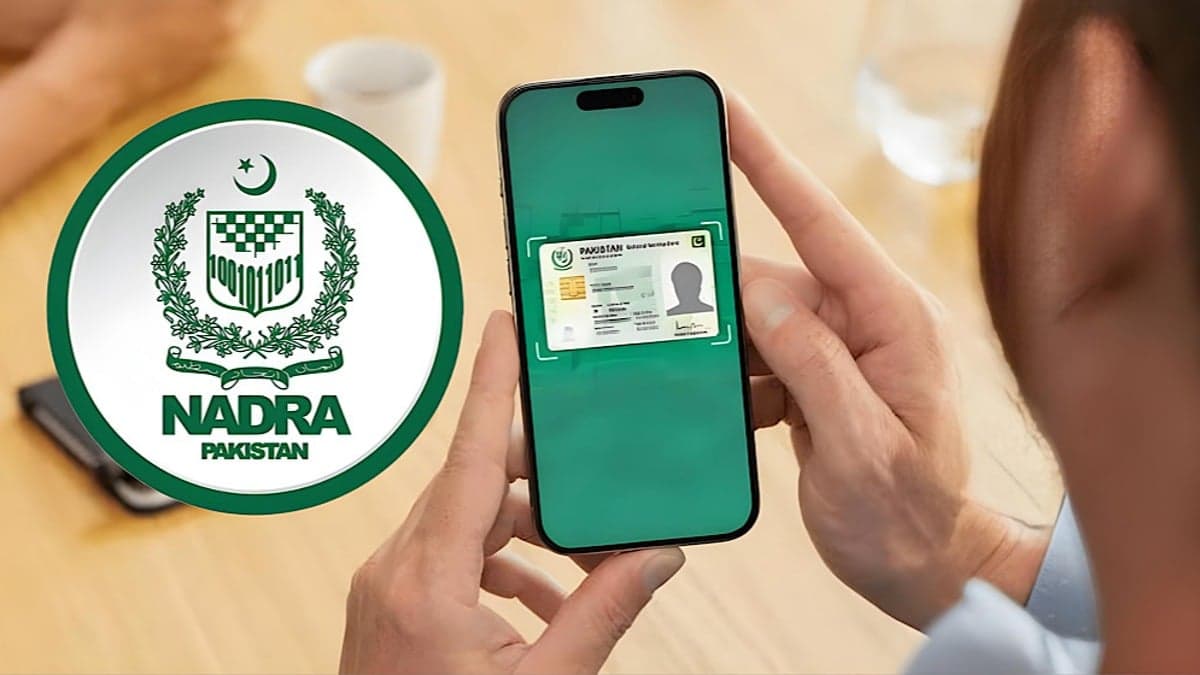
Government departments are also expanding digital payment facilities. The government has reported that 99% of payments at National Database and Registration Authority service centres have been digitised, while passport centres have been enabled to accept digital payments.
The initiative also includes shifting financial assistance payments to digital wallets to improve the delivery of funds to beneficiaries.
Cashless Pakistan Targets Full Public-Sector Digitisation
The government aims to complete the digitisation of public-sector payments by December 2026.
Achieving that target will require continued coordination among government departments, banks, payment-service providers and merchants. Remaining challenges include integrating public institutions with digital payment infrastructure and encouraging people to use electronic payments consistently.
The expansion of digital-payment acceptance is an important step, but payment points and user registrations alone do not establish how frequently people use these services or how much cash has been displaced.
What the Growth Means for Pakistan
The rapid expansion of digital-payment infrastructure could make everyday transactions more convenient, improve payment records and help businesses participate in the formal economy.
However, sustained progress will depend on reliable digital services, public awareness, consumer protection and effective safeguards against fraud. Access also needs to improve for people and businesses with limited connectivity or digital-payment experience.
Pakistan’s latest figures indicate substantial progress in expanding the infrastructure for a less-cash economy. Whether that progress translates into lasting changes in payment behaviour will become clearer as the government’s next phase of implementation advances.
Sources
Related Articles