 TEKZARO
Pakistan
Finance Minister Reveals Daily Cost of Protests in Pakistan
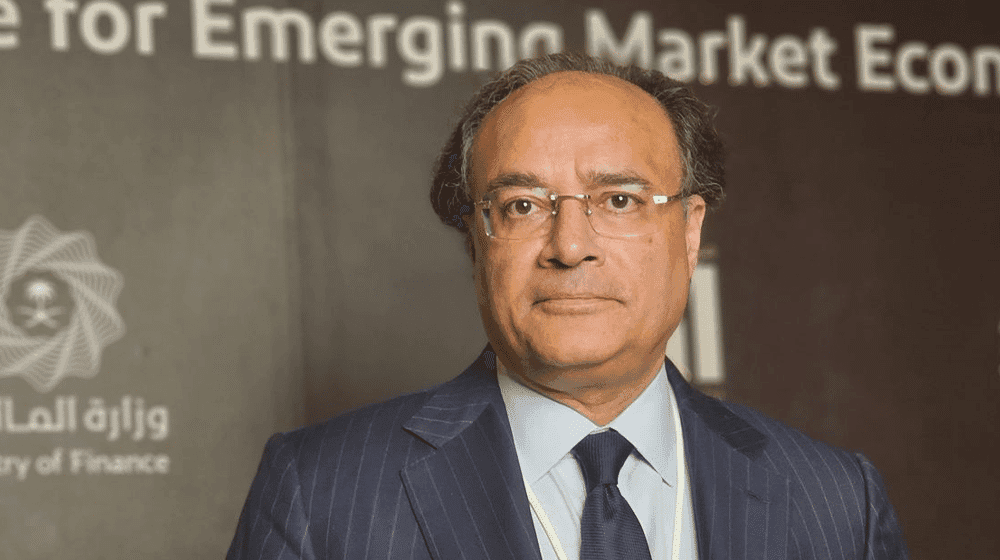
Finance Minister Muhammad Aurangzeb has said long marches, sit-ins and strikes could cost Pakistan's economy around Rs. 120 billion a day — roughly $430 million — describing the disruption as self-inflicted pain.
The warning came in a recorded televised message on Sunday, ahead of protest marches planned for Islamabad in the coming week.
How the Figure Breaks Down
The estimate was produced with the Planning Commission's economic wing, drawing on previous experience of protest disruption and current economic conditions.
The services sector accounts for the largest share at around Rs. 86 billion per day. Industry accounts for approximately Rs. 25 billion. Lost government revenue adds around Rs. 17 billion.
Aurangzeb said the assessment also factored in additional costs from security deployments and logistics.
He put the export exposure in concrete terms: with average daily goods exports running at nearly $90 million, strikes could disrupt shipments directly. The government has set a goods export target of $32.9 billion for the current fiscal year, expecting around 6 percent growth.
Who Actually Bears It
The minister's sharpest point was about incidence rather than aggregate.
Ordinary citizens and daily-wage workers would face the immediate consequences of disruption, he said, with small retailers and businesses taking direct losses.
That is the part of the calculation that holds up best under scrutiny. A daily-wage labourer who cannot reach a worksite loses that day's income permanently — it is not deferred, it is gone. A small shop that cannot open loses the day's sales. Larger firms with inventory, credit lines and the ability to reschedule production absorb disruption far more comfortably.
Three Separate Marches
The statement follows announcements from three groups planning long marches in Islamabad.
Jamaat-e-Islami is demanding removal of the petroleum development levy. Kissan Ittehad is seeking relief for farmers. PTI has announced a nationwide mobilisation demanding the release of party founder Imran Khan and advocating constitutional supremacy, with a march toward the capital scheduled for September 27.
The three are protesting entirely separate issues, which the aggregate cost framing tends to obscure.
The Economic Case He Is Defending
Aurangzeb used the message to set out what he says is at stake.
State Bank reserves have reached $21.4 billion, with total liquid foreign exchange reserves around $26.8 billion in the week ended September 11 — which he described as the highest in the country's history. The current account is in surplus, remittances are rising, and the fiscal deficit has narrowed with expenditure cuts.
The economy grew 3.7 percent in the previous fiscal year, with growth this year expected to exceed 4 percent. Tax collection has risen roughly 40 percent over two years. Large-scale manufacturing is showing recovery, corporate earnings are up, and stock market activity has increased. Eleven IPOs were completed last year, with five in the first two months of the current fiscal year alone.
Foreign direct investment came to $311 million over the period discussed.
He argued that economic stability is what attracts foreign capital, and that overseas investment tends to follow improvements in local investor confidence.
The External Pressure
Aurangzeb framed the domestic risk against a difficult regional backdrop.
The Middle East conflict has disrupted global supply chains and pushed up freight and insurance costs, creating additional pressure on trade. Oil prices have risen, which is the immediate driver behind the government's fuel relief scheme launched this week.
He also referred to the security situation, citing the recent incident in Kohat in which security personnel were killed, and said the army and civil armed forces were confronting the threat.
Reading the Number
A figure like Rs. 120 billion per day deserves some caution, and it is worth being clear about what it is.
It is a government estimate of potential loss under a scenario that has not occurred, produced by the government that opposes the protests. It measures disrupted activity rather than destroyed value, and a portion of disrupted commerce is deferred rather than lost — a purchase not made on Monday is often made on Wednesday.
It also does not net out against anything. There is no accounting here for what protesters believe they are seeking, which is the usual limitation of framing political action purely as an economic cost.
None of that makes the figure meaningless. Road blockages, closed businesses and halted freight impose real losses, and the distributional point about daily-wage workers is accurate regardless of whether the headline number is precise.
What it is not is a neutral input into the question of whether the protests should happen. It is an argument, made by one side, in a political dispute.
Sources: Express Tribune, Daily Times, Pakistan Observer, Bloom Pakistan, 24 News HD
Sources
Related Articles