 TEKZARO
Pakistan
PIA Clears Global Safety Audit for 12th Straight Time
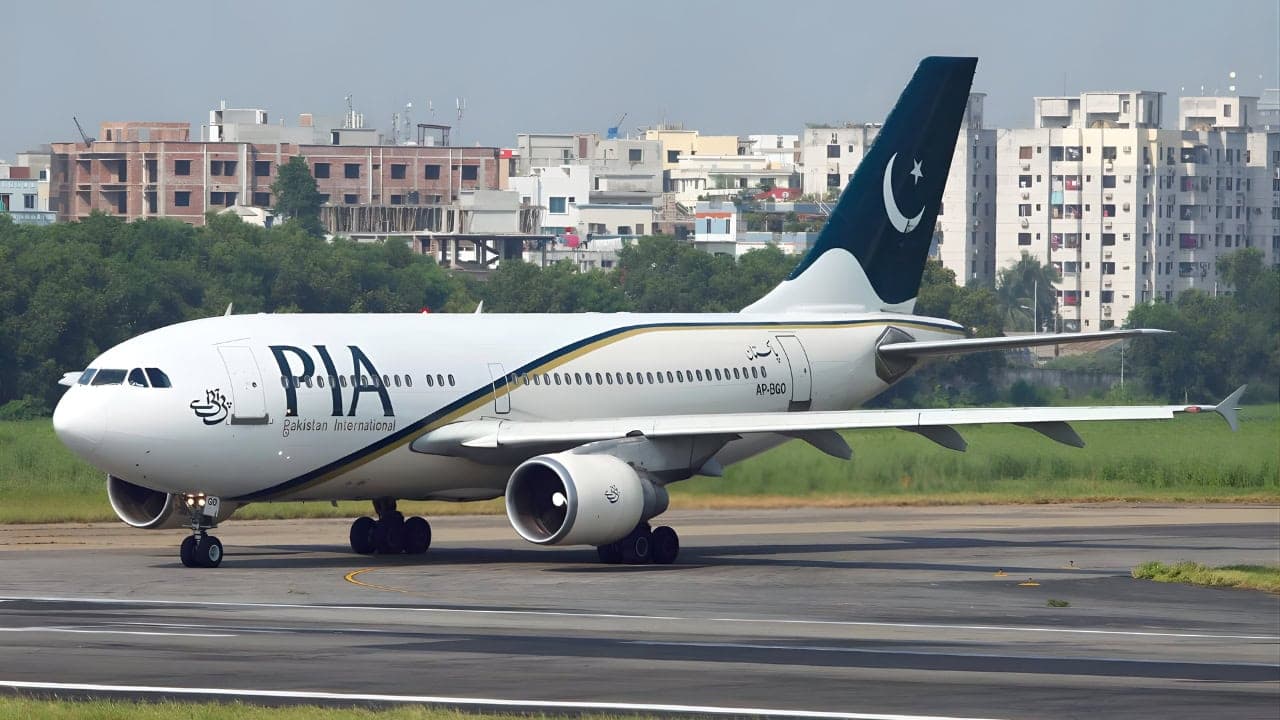
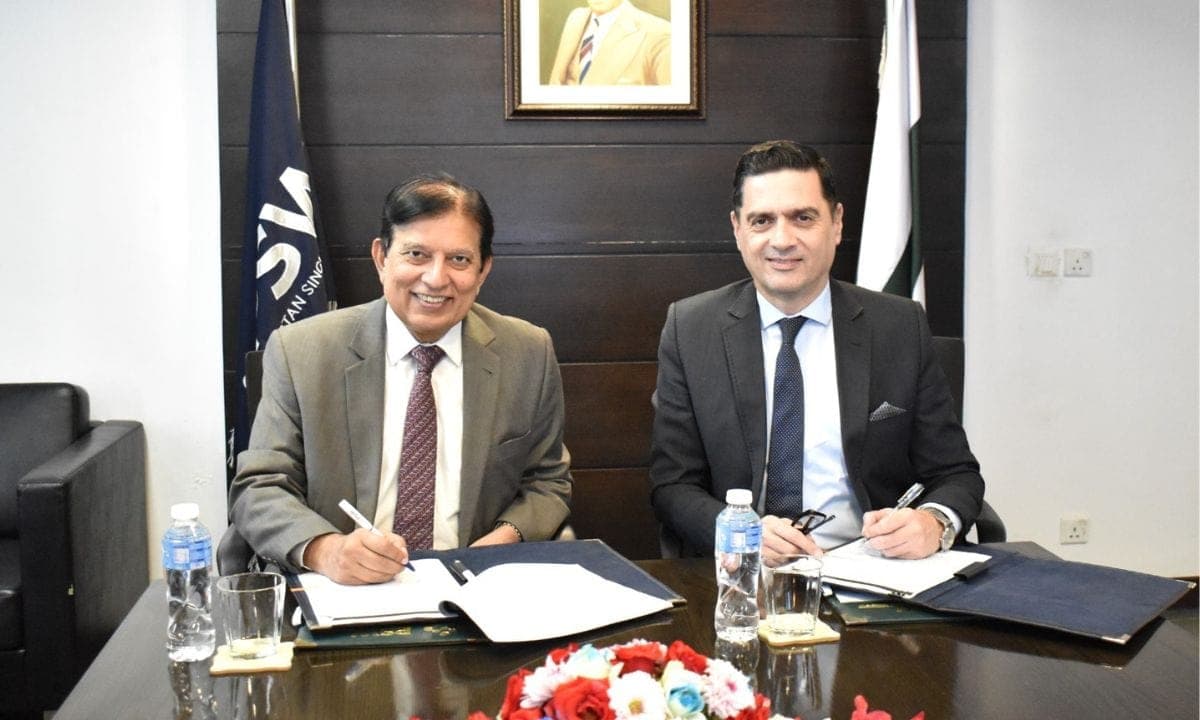
Pakistan International Airlines Corporation Limited has renewed its registration under the IATA Operational Safety Audit programme for the twelfth consecutive cycle, with the certification valid until September 11, 2028.
The renewal follows PIACL's first Risk-Based IOSA audit, conducted from June 8 to 11, 2026.
What IOSA Actually Measures
IOSA is an internationally recognised evaluation system developed by IATA to assess an airline's operational management and control systems against global aviation safety standards.
It was created in 2003 and uses standardised audit principles applied consistently across carriers. Registration runs two years, after which an airline must be re-audited by an IATA-accredited organisation to stay on the register. Some 413 airlines currently hold IOSA registration.
The audit is not a spot check on aircraft condition. It examines whether an airline's systems for managing safety actually function — documentation, accountability, procedures, and whether those procedures are followed in practice.
PIACL's audit covered flight operations, cabin operations, ground handling, cargo operations, security, its Safety Management System, quality assurance, and other operational and organisational functions.
The Risk-Based Shift
This was PIACL's first audit under the Risk-Based IOSA methodology, which is a meaningful change from the previous format.
Conventional IOSA checked compliance against a fixed list of standards — the same checklist for every airline. RBI instead places enhanced emphasis on identifying and assessing an airline's specific operational risks, and evaluating how effectively its systems control them.
IATA's reasoning is that airlines operate differently and carry different risk profiles, so a uniform checklist eventually stops revealing much. RBI scopes the audit around where a particular carrier's exposure actually sits.
Passing under the new methodology is a somewhat different achievement than passing under the old one. It requires demonstrating that the airline understands its own risks, not just that it has the right documents on file.
Why This Matters Commercially
Beyond safety, IOSA registration is a prerequisite for doing business with other airlines.
Code-share partnerships and interline agreements generally require IOSA status as a baseline condition. Without it, a carrier cannot easily sell connecting itineraries through partner networks, which limits its reach to whatever it can fly itself.
For an airline attempting a commercial turnaround, that access matters as much as the safety credential does.
PIACL management credited the airline's operational departments and its Corporate Quality and Safety Assurance team for the renewal.
The History Behind the Streak
PIA has held IOSA registration since 2005, and the twelve consecutive renewals span a period that includes the worst stretch in the airline's modern history.
In May 2020, a PIA aircraft crashed in Karachi, killing 98 people. The following month, then-Aviation Minister Ghulam Sarwar Khan told parliament that 30 percent of Pakistani pilots were flying on fake licences — a statement made in the National Assembly that triggered immediate international consequences.
The EU and UK banned PIA flights. The US downgraded Pakistan's safety category. The airline was effectively cut off from its most valuable international routes.
Restoring IOSA registration in 2021 was one of the steps back from that, though the licence scandal's damage took years to work through and required separate ICAO assessment of the Pakistan Civil Aviation Authority rather than of the airline alone.
That context is why a routine-sounding audit renewal gets covered at all. For most carriers, IOSA renewal is administrative housekeeping. For PIA, continuity of the credential through that period is part of the argument that the airline's technical and operational functions held up while its governance did not.
What It Does and Doesn't Prove
Worth being precise about scope.
IOSA validates that an airline's safety and quality management systems meet international standards at the time of audit. It is a genuine credential, independently assessed, and difficult to obtain without functioning systems.
It does not address fleet age, financial viability, on-time performance, or the restructuring and privatisation questions that have dominated PIA coverage for years. An airline can hold valid IOSA registration and still be commercially unsustainable.
PIACL management has framed the renewal as part of its broader turnaround and restructuring strategy, which is the right way to read it — a necessary condition for that strategy rather than evidence it is working.
Sources: The Nation, 24 News HD, Express Tribune, Samaa TV, The Pen PK
Sources
Related Articles