 TEKZARO
Computing
Nvidia RTX 5090 Disappears From Micro Center Amid Production Halt Rumours
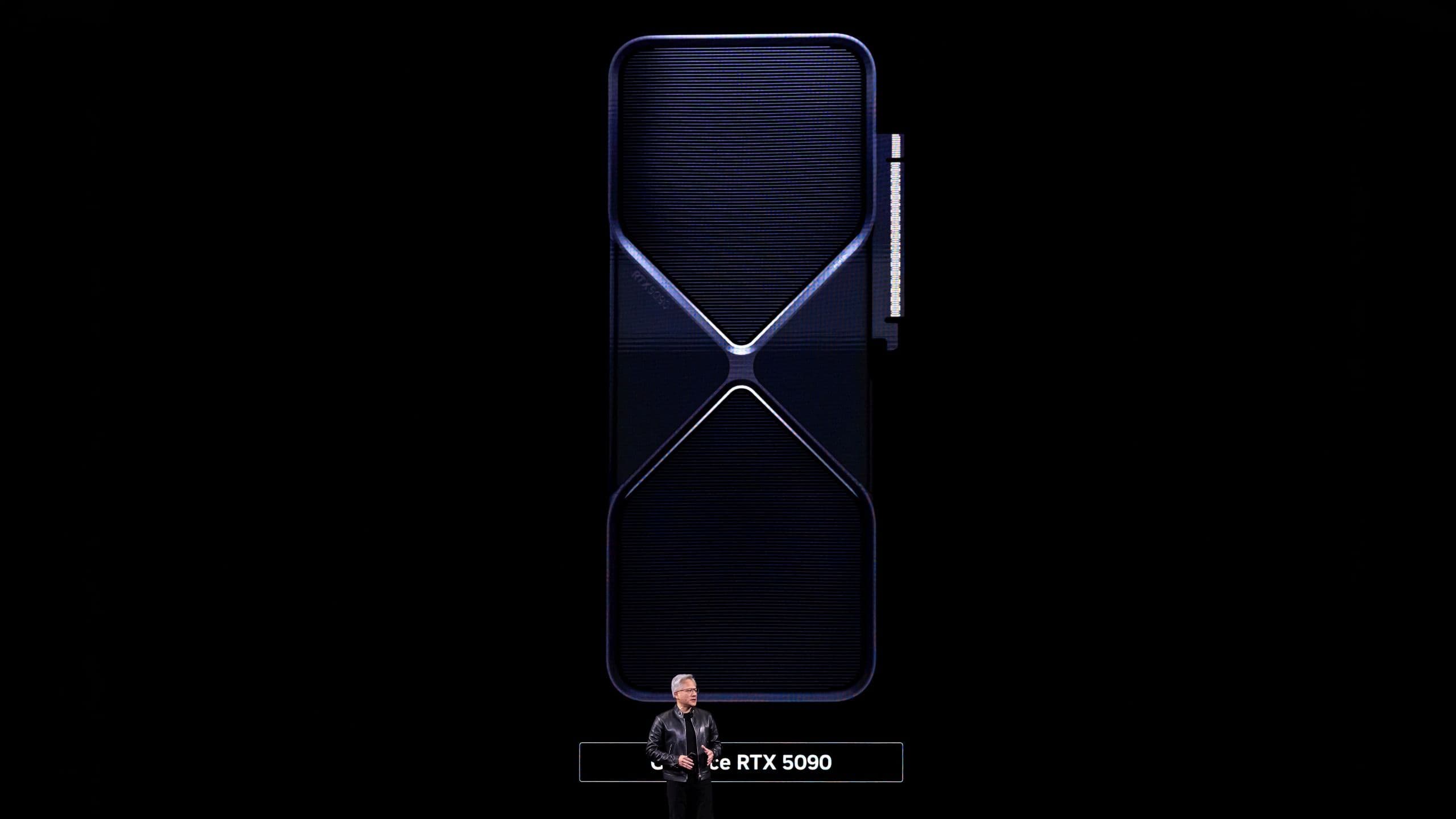
Nvidia’s GeForce RTX 5090 is becoming increasingly difficult to find at major US retailers, with Micro Center listing multiple models as “Not Carried” or “No Longer Carried.” The change has intensified speculation that Nvidia may be winding down production of its flagship consumer graphics card.
The development was reported on October 15, 2026, by Tom’s Hardware and other technology publications. Several RTX 5090 models from board partners including ASUS, MSI, Gigabyte and Zotac have reportedly become unavailable through Micro Center’s retail listings.
However, Nvidia has not officially confirmed that RTX 5090 production has stopped. The retailer’s inventory status is evidence of reduced availability at its stores, but it does not independently establish that manufacturing has ended worldwide.
Micro Center’s Listings Raise Questions
The distinction between “Out of Stock” and “Not Carried” is significant. An out-of-stock listing generally indicates that a product is temporarily unavailable, whereas “Not Carried” suggests the retailer is no longer actively offering that item at the relevant location.
According to Tom’s Hardware, multiple custom RTX 5090 models are listed as unavailable across Micro Center locations. Some exceptions remain, including a limited-edition ASUS ROG Astral Edition 20 offered as part of a premium anniversary bundle.
The retailer has been contacted for comment, but the reported listing changes do not, on their own, explain why the cards have disappeared from its shelves.
Is Nvidia Prioritising AI Hardware?
The production-halt rumours centre on the possibility that Nvidia is redirecting supplies of its GB202 graphics processor towards professional and AI-focused products, where higher-value workstation and computing markets may offer greater commercial returns.
Nvidia sells professional graphics products under its RTX PRO lineup, including Blackwell-based workstation GPUs. A shift in manufacturing allocations could affect how many chips are available for consumer gaming cards.
Nevertheless, this explanation remains speculative until Nvidia or reliable supply-chain evidence confirms the decision. Strong demand for AI computing does not, by itself, prove that production of a particular gaming GPU has been discontinued.
What Could This Mean for GPU Prices?
The RTX 5090 launched with a US starting price of $1,999, although retail prices have frequently been substantially higher amid limited availability.
If new supplies decline while demand remains strong, remaining cards could become more expensive. The scale and timing of any price increase would depend on existing inventory, shipments from board partners, retailer policies and demand.
A reduction in retail stock is not the same as a confirmed global shortage, and current listings cannot establish how long remaining inventory will last.
Could the RTX 5080 Become Nvidia’s Top Gaming GPU?
Separate reports have speculated about a future GeForce RTX 5080 variant with 24GB of memory. Some coverage has suggested it could take on a more prominent role if the RTX 5090 is discontinued.
Nvidia has not confirmed that rumoured model or established a launch date. It should therefore not be treated as an announced replacement for the RTX 5090.
What Happens Next?
The key question is whether Nvidia will confirm a production change or whether the current situation reflects retailer-specific inventory decisions and constrained supply.
For now, Micro Center’s updated listings provide a notable indication that RTX 5090 availability is tightening in parts of the US market. But the broader claim that Nvidia has halted production remains unconfirmed.
Until more definitive information emerges, prospective buyers should compare current availability and prices across reputable retailers rather than assume the card has been permanently discontinued.
Sources
Related Articles