 TEKZARO
Computing
US Army to use 3D-printed rocket motors for low-cost cruise missiles
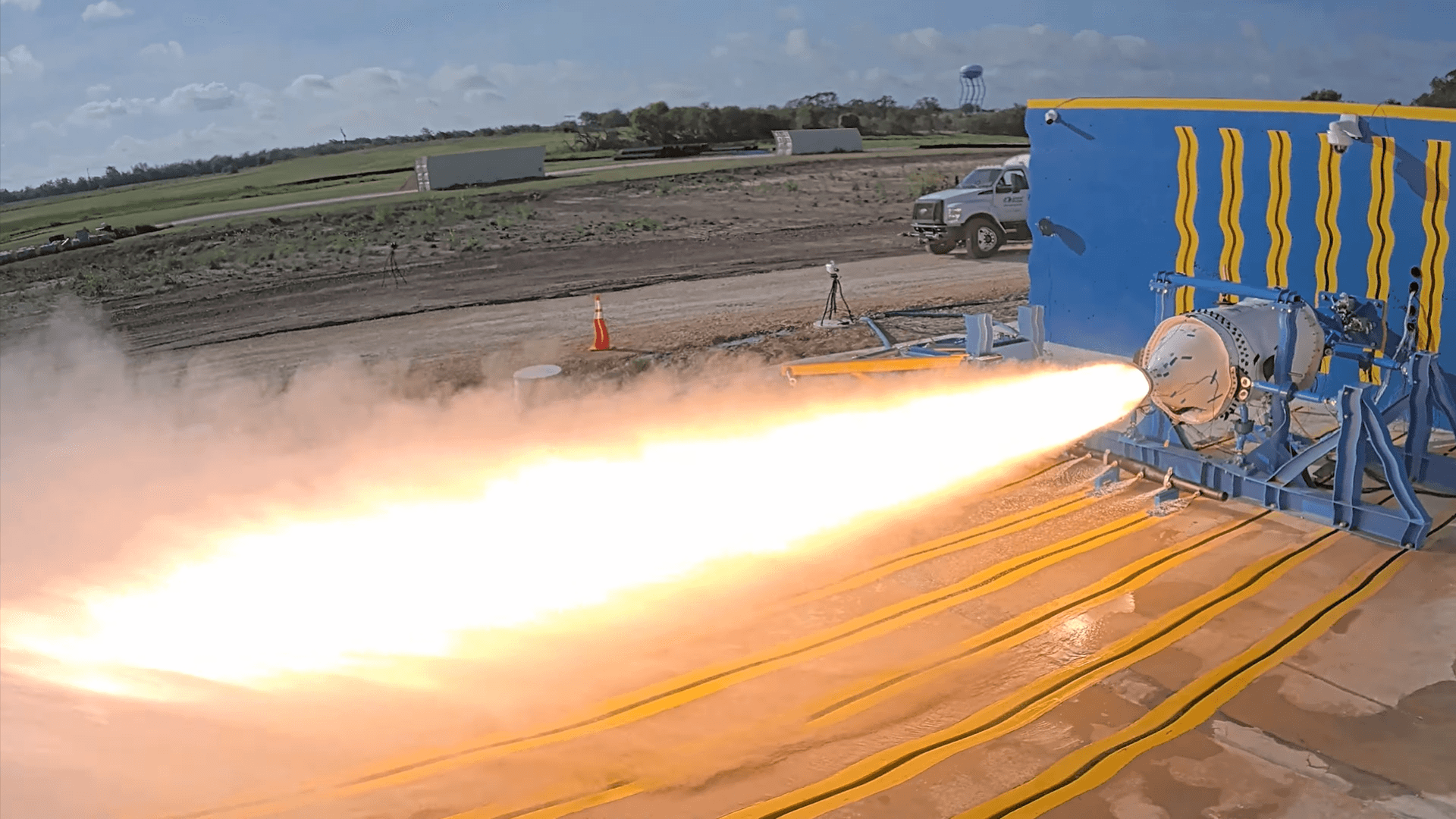
The U.S. Army is moving towards more affordable missile production through a new programme involving 3D-printed rocket motors, as American defence companies work to manufacture weapons faster and in larger quantities.
X-Bow Systems, a U.S. manufacturer specialising in additively manufactured solid rocket motors, has been selected by defence technology company Leidos to develop and produce booster motors for the Army’s Low-Cost Containerized Munition (LCCM) programme.
The announcement was made on October 12, 2026, during the Association of the United States Army’s annual meeting and exposition in Washington, D.C.
X-Bow Systems to Develop Rocket Motors
Under the agreement, X-Bow will work through the design, qualification testing and static-fire testing stages before moving towards large-scale production.
The companies are targeting full-rate production in 2027, although the schedule remains subject to development and testing milestones.
X-Bow uses additive manufacturing, commonly known as 3D printing, to produce solid rocket motors. The technology can make certain complex components easier to manufacture and allow engineers to revise designs more quickly than with some conventional production methods.
The company says it has already delivered more than 2,100 combat-ready rocket motors, giving it experience in manufacturing propulsion systems for defence applications.
What Is the Low-Cost Containerized Munition Programme?
The LCCM programme is intended to support the production of lower-cost cruise missiles in greater quantities. Leidos is leading the munition effort, with X-Bow responsible for developing and producing its booster motors.
The programme forms part of a broader U.S. effort to expand domestic weapons manufacturing capacity and reduce reliance on a limited number of established rocket-motor suppliers.
The U.S. defence industry has faced growing pressure to increase production of missiles and interceptors while managing costs and supply-chain constraints.
Why 3D Printing Matters for Defence
Additive manufacturing builds components layer by layer from digital designs. In defence manufacturing, it can help engineers produce complex parts, develop prototypes and adjust designs without relying entirely on traditional tooling and manufacturing processes.
For solid rocket motors, however, 3D printing does not remove the need for extensive safety checks, qualification tests and performance validation. A production-ready motor must meet demanding requirements before it can be integrated into a weapon system.
The technology’s potential advantage is the possibility of shortening certain development stages and increasing manufacturing flexibility—not an automatic guarantee of lower costs or faster deployment in every case.
Production Target Set for 2027
X-Bow and Leidos plan to complete the required development and testing stages before scaling production. The 2027 target represents a planned milestone rather than confirmation that the complete missile system will be operational by that date.
The programme reflects a wider shift towards weapons that can be manufactured at scale, as defence planners seek to balance performance, cost and production capacity.
If the development programme meets its targets, additively manufactured rocket motors could become one part of a broader effort to expand the U.S. Army’s access to lower-cost munitions.
For now, the project remains subject to testing, qualification and production milestones.
Sources
Related Articles