 TEKZARO
Gadgets
SpaceX and Tesla Explore Possible Merger as Musk Cites AI and Robotics Opportunities
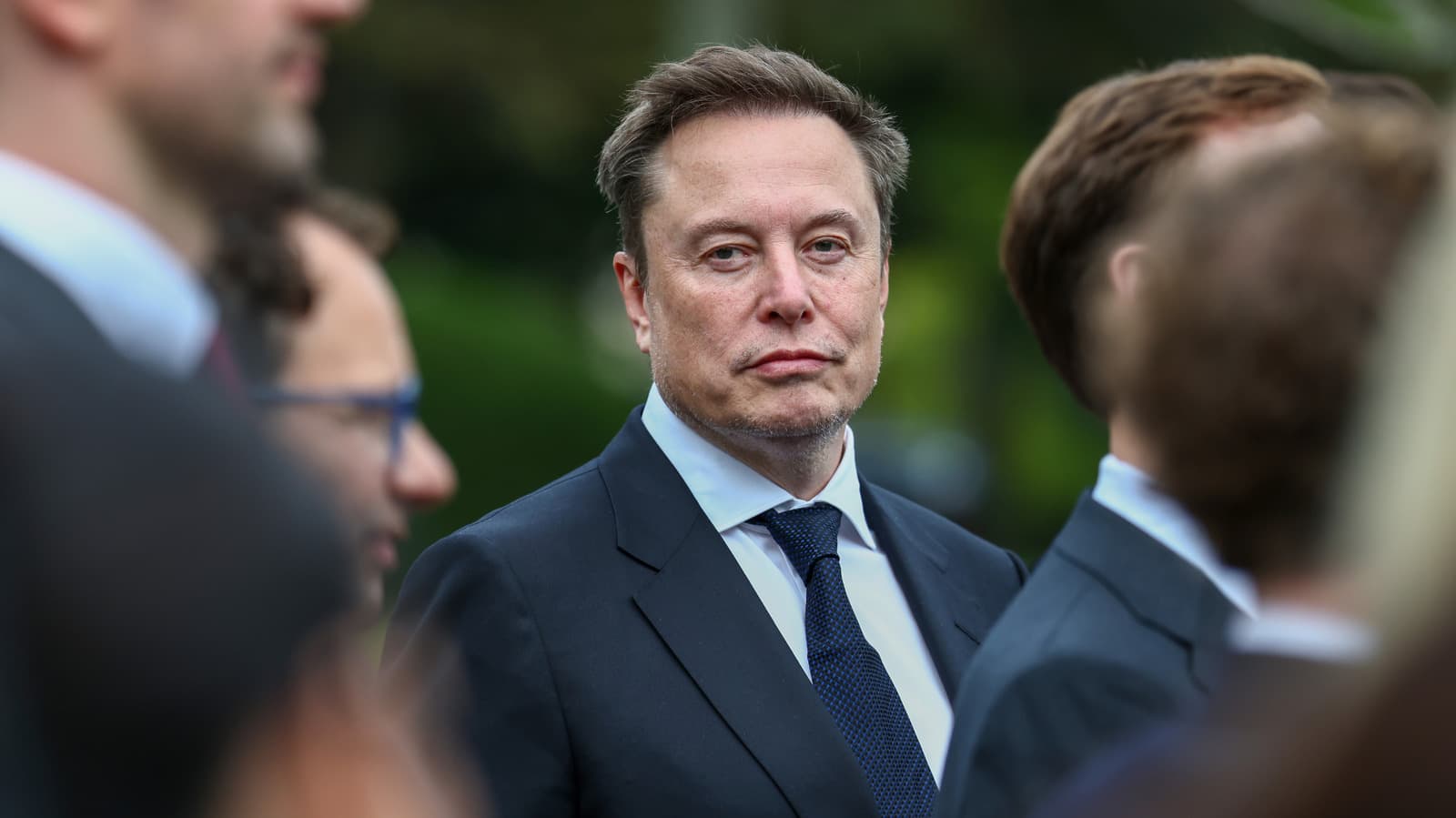
SpaceX and Tesla are exploring a possible merger after their boards established special committees to assess a potential combination, marking a significant development in Elon Musk’s plans to bring his technology businesses closer together.
Musk confirmed the discussions during SpaceX’s third-quarter earnings call on October 20, 2026. He expressed support for combining the companies but cautioned that an agreement has not been reached and that a merger should not be considered inevitable.
The proposed combination could unite Tesla’s electric vehicles, energy storage and robotics operations with SpaceX’s rocket launches, Starlink satellite communications and expanding artificial intelligence infrastructure.
Independent Committees to Examine the Proposal
According to Musk, both companies formed special committees comprising independent directors at shareholders’ request. The committees will examine the possibility of a merger while considering the interests of their respective shareholders.
Musk said he would not participate in the committees’ discussions because of his conflicting interests as chief executive of both companies.
No final transaction structure, valuation or agreement has been announced. A potential deal would also need to satisfy the relevant shareholder approval requirements.
Musk said that assuming a merger was certain would be an overstatement, emphasising that the outcome depends on the committees’ work and shareholder support.
Why Musk Wants to Combine SpaceX and Tesla
Musk pointed to opportunities for closer cooperation in artificial intelligence, semiconductor design, robotics and connectivity.
Tesla has been expanding beyond electric vehicles into autonomous driving, energy storage and humanoid robots. SpaceX operates launch services and Starlink, while also developing AI computing and data-centre infrastructure.
A combined organisation could potentially coordinate investment, engineering resources and manufacturing capabilities across these businesses.
The companies are also pursuing Terafab, a semiconductor and AI-computing initiative intended to support their advanced computing requirements. Closer integration could make it easier to coordinate some of these overlapping technology projects, although the actual benefits would depend on the merger’s structure and execution.
A Potential $3.5 Trillion Corporate Combination
Market estimates cited in recent reporting put the combined value of SpaceX and Tesla at approximately $3.5 trillion. The figure is an estimate based on their reported valuations, rather than an agreed merger price.
If completed at that scale, the transaction would rank among the largest corporate combinations ever contemplated.
The companies have substantially different business models. Tesla generates revenue from electric vehicles, energy products and related services, while SpaceX operates in launch services, satellite communications and AI infrastructure.
Bringing them together would create a business spanning several major technology and industrial sectors. However, the combination would also expose investors to a wider range of operational, regulatory and capital-allocation risks.
Shareholder Approval Remains a Major Hurdle
Musk indicated that Tesla would require approval from 50% of its shareholders for the proposed merger. The committees have yet to agree on transaction terms, and the approval process would depend on the final structure and applicable requirements.
The proposal also raises questions about corporate governance because Musk leads both companies and has significant ownership interests in each.
Independent review will therefore be important in assessing the terms of any potential transaction and how it would affect shareholders.
What Happens Next?
For now, the merger remains under consideration rather than an agreed corporate transaction. The independent committees must evaluate the proposal, and any formal deal would need to address valuation, governance, financing and shareholder approval.
Investors will be watching for further disclosures about the committees’ findings and whether the companies move towards a formal agreement.
A successful merger could bring Tesla’s manufacturing and energy capabilities closer to SpaceX’s satellite, launch and computing operations. Until the companies announce concrete terms, however, the scale and practical consequences of any combination remain uncertain.
Sources
Related Articles