 TEKZARO
Pakistan
Starlink Clarifies Status of 4 Requirements for Pakistan Launch
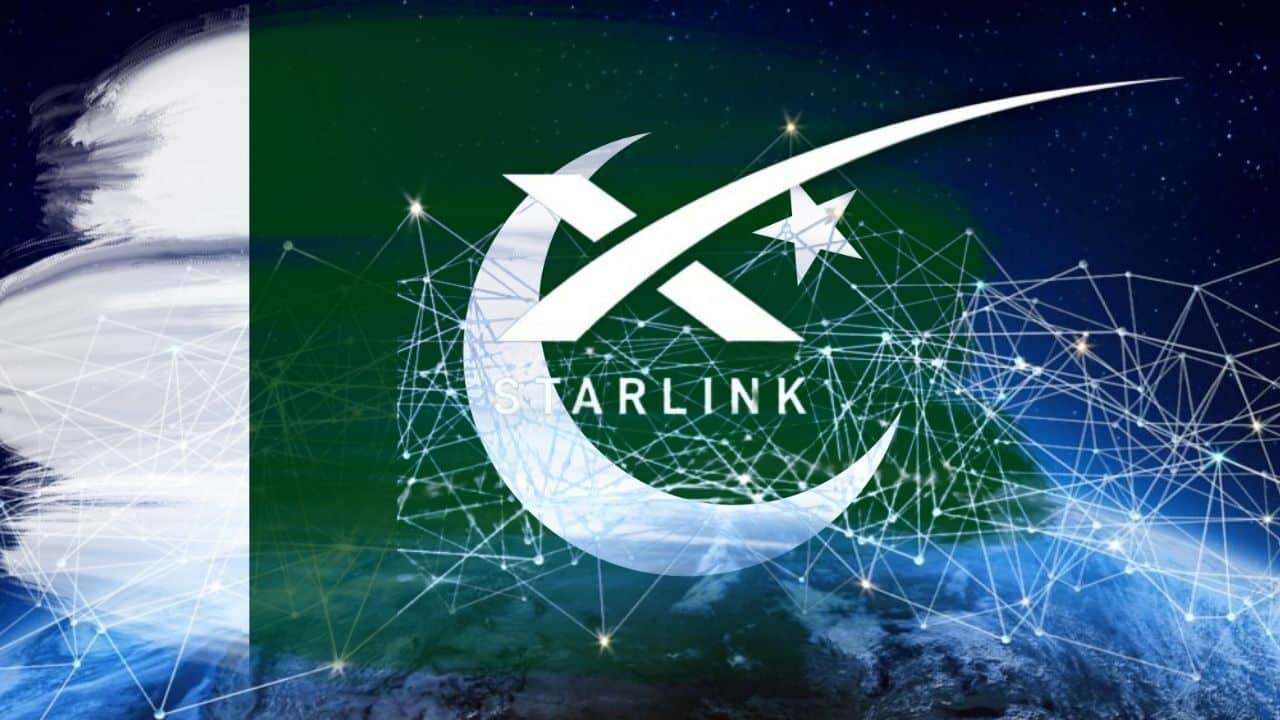
Starlink's Pakistan director has set out where the company actually stands on the four regulatory requirements it must satisfy before launching, pushing back on the impression left by the Pakistan Telecommunication Authority's recent Senate briefing.
Sikander Naqi told ProPakistani the four key requirements are registration with the Securities and Exchange Commission of Pakistan, finalisation of space regulations, issuance of the Fixed Satellite Service licence, and completion of required security clearances.
The Distinction Naqi Is Drawing
His central point is about sequencing, and it matters more than it first appears.
"Except SECP registration, the remaining requirements are operator-specific and can only be formally fulfilled once the regulatory framework is in place," Naqi said.
In other words, Starlink has completed the only step it can complete unilaterally. The remaining three depend on regulatory infrastructure that Pakistani authorities are still building.
That reframes the delay. The PTA told the Senate Standing Committee on IT and Telecom that LEO satellite operators must fulfil regulatory and security requirements before receiving operating permission, and that no Starlink licence application was currently pending before the authority. Read one way, that sounds like Starlink has not applied. Read with Naqi's clarification, it means Starlink cannot apply yet.
Where Each Requirement Stands
SECP registration is done. Starlink is registered as Starlink Internet Services Pakistan (Pvt.) Ltd., a holding of Netherlands-based Starlink B.V. under SpaceX.
Space regulations remain incomplete. The Pakistan Space Activities Rules 2024 set out the requirements, but the Pakistan Space Regulatory Board is still developing the broader framework for satellite-based services. PTA Chairman Major General (R) Hafeez Ur Rehman told the committee that the framework must be finished before licences can be issued to anyone.
The FSS licence cannot be applied for until registration with the space regulator is complete. The PTA's written reply to the committee stated this explicitly: Starlink shall apply for the FSS licence after the requisite registration has been completed.
Security clearances are in progress, with one complication Naqi flagged directly.
The INTERPOL Question
Naqi said one security agency had reportedly sought an INTERPOL-related clearance in connection with foreign directors.
He suggested this aspect may require further clarification, particularly if it introduces an additional procedural requirement that could contribute to further delays.
That is diplomatic phrasing for a real concern. Requirements that appear mid-process, outside the published rules, are the kind that can extend a timeline indefinitely — because there is no defined completion point and no obvious body to appeal to.
Four Years and Counting
Starlink first approached the PTA for a licence in February 2022.
It received temporary registration from the space regulatory board in March 2025, which at the time looked like the final hurdle. Instead it triggered a longer review over data sovereignty and security that outlasted several optimistic government timelines.
The Federal Cabinet approved the Fixed Satellite Services licensing framework in April 2026. As of mid-July, the PTA chairman was still asking the Senate to approve licensing. No licence has been issued to any operator.
Four to five satellite internet companies have expressed interest in Pakistan, including OneWeb, Amazon's Project Kuiper, Telesat and a Chinese operator. None of them can proceed either, since the same framework gates all of them.
What Is Actually at Stake
Naqi framed the cost of delay in terms of connectivity rather than commercial loss, which is the more persuasive argument.
He pointed to implications for underserved areas including schools and hospitals, and noted growing discussion around broadband connectivity challenges in railways and aviation, alongside questions about the quality, resilience and availability of existing networks.
That is where LEO satellite service genuinely adds something. In areas where fibre will not reach economically and mobile coverage is thin, satellite is not a competing option — it is the only option.
Pakistan's recent experience with network disruptions during security incidents and undersea cable faults has also raised the resilience question, and a satellite layer provides redundancy that terrestrial infrastructure cannot.
The Practical Timeline
Once a licence is granted, it runs 15 years and requires service to launch within 18 months.
That 18-month clock starts at licence issuance, not today. Anyone planning around Starlink availability in Pakistan should count from whenever a licence is actually granted — a date that still depends on the space regulator finishing a framework with no announced completion date.
One piece of practical advice worth repeating: there are no legitimate Starlink Pakistan pre-orders. No pricing has been announced, no licence exists, and anyone selling access is not selling anything real.
Sources
Related Articles