 TEKZARO
Gadgets
watchOS 27 Beta Code Points to Four Unannounced Features for Apple Watch Series 12 and Ultra 4
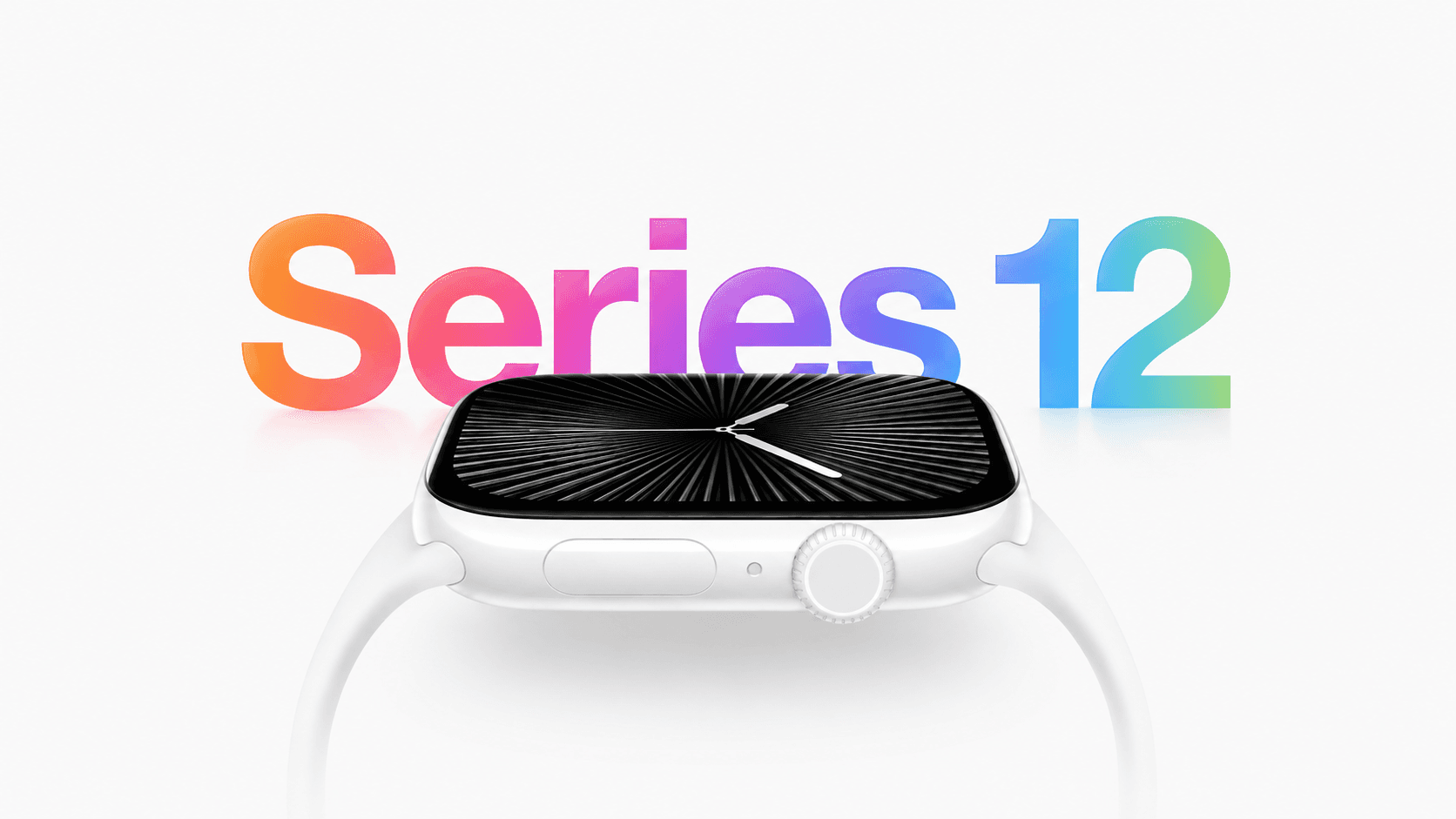
Leak Hints at Four New Features for Apple Watch Series 12 and Ultra 4
Leaks and regulatory filings ahead of Apple's anticipated September 9, 2026 event reveal that the upcoming Apple Watch Series 12 and Ultra 4 will focus on incremental but meaningful hardware upgrades, with four key features emerging as the centerpiece of what Bloomberg's Mark Gurman characterizes as "fairly minor upgrades" overall. Rather than dramatic design overhauls, Apple is concentrating on internal improvements to health tracking, performance, battery life, and fitness capabilities—refinements that build on the Series 10 design language introduced in 2024 and maintained through the Series 11 and Ultra 3.
The four primary features attributed to the new models are: a new processor, wrist-based blood pressure monitoring, significantly improved battery life, and advanced health and fitness tracking upgrades. All four promise meaningful practical benefits, though none represents revolutionary technology.
Feature 1: New Processor
Developer code with internal model numbers N237, N238, and N240—discovered in leaked Apple software—confirms that both the Series 12 and Ultra 4 will receive new processors. While specific performance metrics have not been leaked, new chips typically deliver faster application performance, improved efficiency that helps battery life, and better real-time processing for health sensors.
The new processor is expected to enable faster performance across watchOS applications and particularly to support the computational demands of advanced health monitoring features. A faster chip may also allow more responsive fitness tracking and quicker sensor data processing for the blood pressure monitoring capability mentioned in leaks.
The processor upgrade is notable primarily for what it enables rather than for its headline specifications. Apple Watch users rarely discuss processor performance because the current generation is already responsive enough for daily use. The new chip's primary value will likely manifest through improved battery life and more sophisticated health sensing capabilities.
Feature 2: Wrist-Based Blood Pressure Monitoring
The most significant health upgrade for Series 12 is reportedly a wrist-based blood pressure monitor—a capability that Apple has been developing for years but has struggled to bring to market due to regulatory requirements and accuracy standards.
According to Bloomberg's Mark Gurman, Apple has been "hard at work" on a wrist-based blood pressure sensor that would provide real-time blood pressure measurements, not merely high-level "signs of elevated blood pressure" notifications. This is different from the hypertension notification system Apple introduced in Series 11 (which can also be retrofitted to Series 9 and newer models through software updates).
The distinction matters medically and regulatory. A notification system that alerts users to potential hypertension is a wellness feature. An actual blood pressure measurement system is a medical device requiring regulatory approval from entities like the FDA (in the U.S.) and corresponding regulatory bodies in other countries.
Regulatory filings suggest that a more advanced blood pressure feature is undergoing review, though whether this reaches consumers in Series 12 or remains under development remains unclear. The complexity of regulatory approval for medical devices means that even confirmed internal development doesn't guarantee product launch.
If implemented, blood pressure monitoring would make the Apple Watch a more complete personal health device, providing users with continuous access to data that typically requires professional measurement. For people managing hypertension or at risk of cardiovascular disease, wrist-based blood pressure monitoring would be valuable.
Feature 3: Significantly Improved Battery Life
Chinese leaker reports corroborated by Gurman suggest Apple is prioritizing battery life improvements for 2026 through both a larger battery and improved power efficiency. Series 11 already increased Apple's official battery rating from 18 to 24 hours, making overnight sleep tracking practical for most users.
The Series 12 is expected to extend this further, with some reports suggesting the potential for 24+ hour battery life with heavier use, or 30+ hours of battery life in optimal use conditions. A larger battery paired with a more efficient processor could achieve meaningful gains.
For Apple Watch users, improved battery life directly translates to practical benefits: fewer overnight charging requirements, better sleep tracking capability (since watches can stay on all night), and less anxiety about battery level throughout the day. The current 24-hour rating is adequate but doesn't permit true multi-day usage—improvements in this area would be genuinely welcome.
The battery life improvements likely explain why some reports mention a potentially larger battery module within the same watch case. Apple rarely changes case dimensions, but can accommodate larger batteries by optimizing internal space allocation or using newer battery chemistry with higher energy density.
Feature 4: Advanced Health and Fitness Tracking
Beyond blood pressure monitoring, Gurman specifically mentions "upgraded fitness tracking" as a confirmed feature. While less specific than blood pressure monitoring, this suggests enhancements across health monitoring capabilities.
The upgraded fitness tracking could encompass improvements to:
Heart rate monitoring — More accurate continuous monitoring, improved detection of abnormal patterns.
Sleep tracking — Better sleep stage detection, more detailed REM/deep sleep/light sleep differentiation, improved sleep quality analysis.
Workout recognition — Faster and more accurate automatic workout detection across a broader range of activities.
Recovery metrics — Enhanced measurement of training recovery, adaptation to workout patterns.
Menstrual health tracking — Expansion of period prediction and health insights available through the Health app.
Respiratory health — Potentially enhanced monitoring of breathing patterns and respiratory health indicators.
The "advanced health tracking" framing suggests multiple complementary improvements rather than a single breakthrough capability. This aligns with Apple's pattern of continuous incremental enhancement to health features rather than occasional leaps forward.
Design Continuity and Band Updates
Contrary to expectations of design evolution, Gurman's reporting confirms that the Series 12 and Ultra 4 will maintain the same case design as Series 11 and Ultra 3 respectively. This marks the third year of the current design—a notably long tenure for Apple watch designs, reflecting the maturity of the form factor.
However, the company is introducing significant band and color updates. New band colors and configurations are confirmed, with reports suggesting a possible return of ceramic "Edition" models (codenamed Iceman internally). Ceramic editions haven't been sold since 2019, so their potential return would appeal to consumers seeking premium finishes.
White and dark gray ceramic options have been tested for Series 12. The Ultra 4, by contrast, is unlikely to receive ceramic editions due to its rugged design philosophy prioritizing durability over finishes.
Unconfirmed Features: Touch ID and Display Upgrades
Leaks mention two additional potential features with less confirmation: Touch ID and microLED display technology.
Touch ID: References to Apple's internal "AppleMesa" Touch ID codename appeared in leaked software, prompting speculation about fingerprint authentication arriving on Apple Watch. However, this is distinctly unconfirmed. Touch ID on a watch face presents technical challenges (sensor placement, size, accuracy) that Apple would need to solve. Claims of a sensor built into the watch band are even less credible. Until official confirmation or physical device leaks, Touch ID should be considered speculative.
MicroLED Display: Reports suggest potential adoption of microLED display technology, which could provide brighter, more efficient displays with better color reproduction. However, microLED production for small devices like watches remains challenging at scale. Current reports are vague about whether this reaches Series 12 or remains under development.
Both features—Touch ID and microLED—should be considered possible but far from confirmed by reliable sources.
Ultra 4 Specifics
The Ultra 4 is expected to maintain the rugged design of Ultra 3 while receiving the same processor, battery life, and health tracking improvements as the Series 12. Some reports suggest the Ultra 4 could receive an eight-sensor arrangement on the rear for enhanced health monitoring, though recent reporting suggests not to expect major redesigns.
The return to an annual Ultra release cycle (after skipping a hardware generation in 2024 and releasing only a black Ultra 2) suggests Apple is committed to maintaining an annual upgrade cadence for the premium rugged line.
Pricing and Availability
The Series 12 is expected to start at approximately $399, with some reports suggesting a potential increase to $429. The Ultra 4 pricing has not been leaked, but typically follows a $100+ premium over the Series 12 base model.
Pre-orders are anticipated to open shortly after the September 9 announcement, with retail availability expected within weeks—following Apple's standard watch launch timeline.
The Bigger Picture: Incremental Improvement Strategy
The leaks paint a picture of Apple's watch strategy: maintenance of successful design language while continuous incremental improvement to the capabilities that matter to users—health monitoring, battery life, and processing power.
This approach reflects product maturity. The Apple Watch design is proven successful; changing it unnecessarily could alienate existing users and confuse messaging. Instead, Apple advances the product through internal improvements that directly benefit users without requiring adaptation to a new design.
For consumers, this means the choice between Series 11 and Series 12 will be less about "needing" a new design and more about valuing specific capability upgrades—particularly blood pressure monitoring and improved battery life for existing users, or faster processor performance for new purchasers.
The Series 12 launch on September 9, 2026, will likely confirm these leaks and reveal any surprise features Apple has withheld from public speculation.
Sources
Related Articles