 TEKZARO
Pakistan Tech
FBR Chairman Dissatisfied With Tax Officers
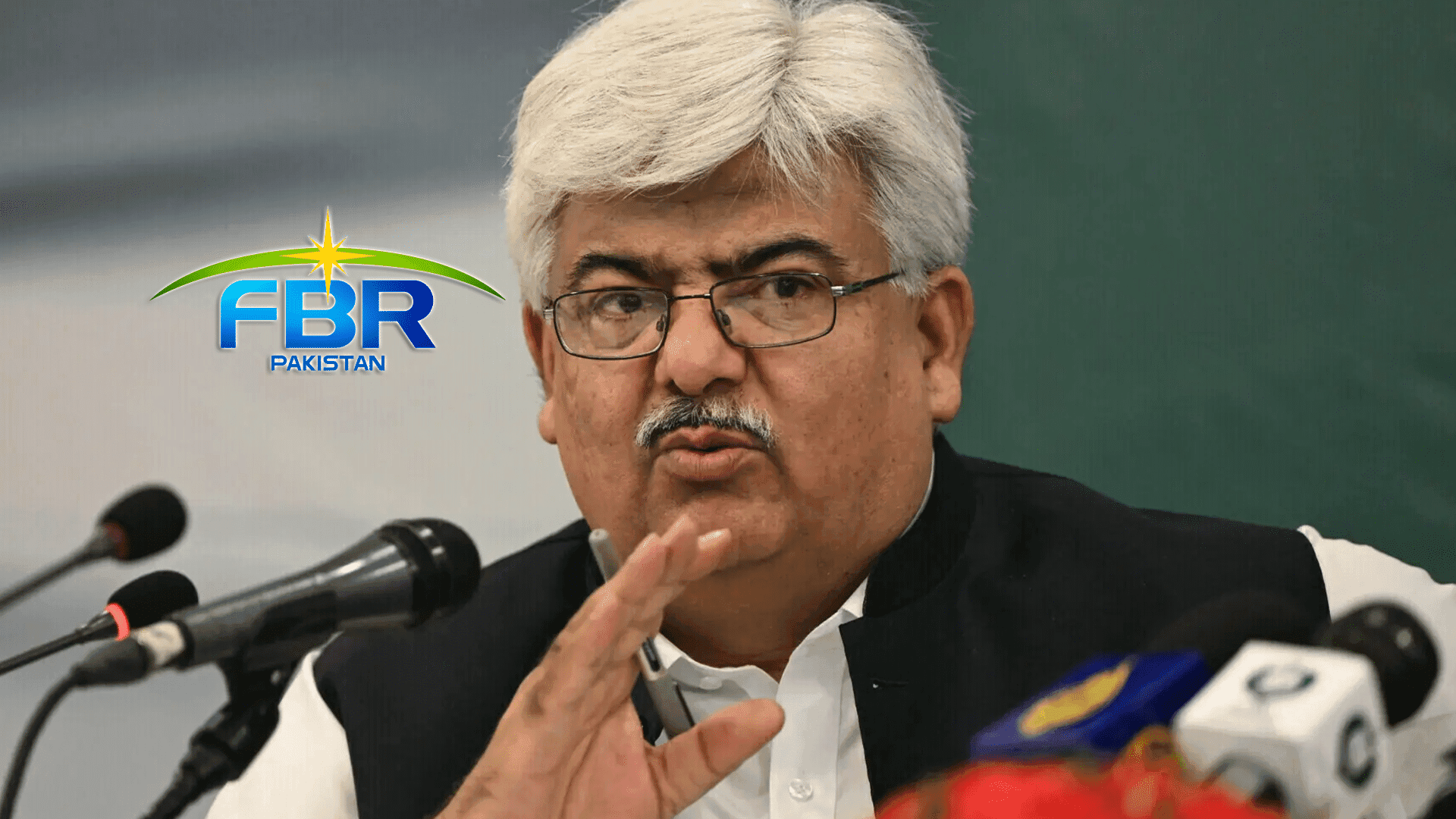
Pakistan's Federal Board of Revenue (FBR) chairman has expressed strong dissatisfaction with the performance of tax officers at both headquarters and field offices, signaling a major accountability push aimed at improving tax collection. The escalating pressure comes as the FBR faces scrutiny over missing its August tax collection target and seeks to accelerate revenue generation through improved officer performance.
Increased Pressure and Accountability
Sources told ProPakistani that the FBR chairman has ordered a significant ramping up of accountability measures. On his instructions, FBR tax offices remained open on Saturday—an unusual operational move that signals the intensity of pressure being applied. Officers across the organization are now facing increased expectations to improve tax collection and overall performance. This aggressive accountability approach reflects the chairman's position that after being provided vehicles, facilities, and other resources, officers must now deliver substantially stronger results. The message is clear: enhanced infrastructure support should translate directly into improved tax revenue generation and operational effectiveness.
Officers Questioned and Suspended
During a recent meeting at FBR headquarters, senior and junior officers were directly questioned about their tax collection performance and overall operational results. The discussions were notably pointed, reflecting the chairman's frustration with underperformance. Two officers faced suspension as a result of performance and competence issues: One officer was suspended for demonstrating lack of knowledge about the Track and Trace System—a critical technology infrastructure that FBR relies on for real-time monitoring of goods movement and tax compliance. An officer's failure to understand this system raises serious questions about competency for modern tax administration. Another officer was suspended for failing to issue a required Sales Tax SRO (Sales Tax Regulatory Order), a fundamental administrative responsibility. This suspension signals that basic procedural failures are no longer being tolerated. These suspensions send a clear message throughout the organization: performance failures and lack of technical competence will result in immediate consequences.
Target Miss in August
The chairman's dissatisfaction is partly driven by concrete performance gaps. The FBR achieved its tax collection target in July 2026, demonstrating that meeting targets is possible. However, the revenue board missed its August target by a significant margin—a reversal in performance that triggered the increased accountability measures. This inconsistency in performance—hitting targets one month, missing them the next—suggests systemic issues in either officer performance, operational execution, or external factors affecting tax collection. Rather than make excuses, the FBR leadership has responded with direct accountability pressure.
Policy Implications
Officer incentives and compensation (FBR officers have long complained about lower performance allowances relative to other government agencies) Training and development requirements for tax officers Modernization of FBR systems and procedures Performance-based accountability frameworks in government service However, success will ultimately depend on whether increased pressure translates into better operational outcomes or simply creates tension without addressing underlying systemic issues.
What Comes Next
The FBR chairman's message is unambiguous: performance will be measured, failures will be addressed swiftly, and officers will be held accountable. Whether this approach succeeds in improving tax collection will become evident as subsequent months' figures are released. For officers throughout the FBR, the message is equally clear: the era of tolerance for underperformance or technical incompetence has ended. The chairman expects results, and those who cannot or will not deliver should expect consequences. For Pakistan's tax system, the accountability push represents an attempt to improve operational effectiveness through personnel management. Whether this translates into broader tax system improvements will depend on addressing not just officer performance but the underlying infrastructure, training, systems, and processes that enable effective tax administration. For now, FBR tax offices will remain open on weekends, officers will face increased scrutiny, and the organization will be working under heightened pressure to improve collection. The August target miss has clearly triggered a response that extends far beyond that single month's numbers.
Sponsored

Sources
Related Articles