 TEKZARO
Pakistan Tech
Govt Clears Nearly 12,000 Pending Solar Cases
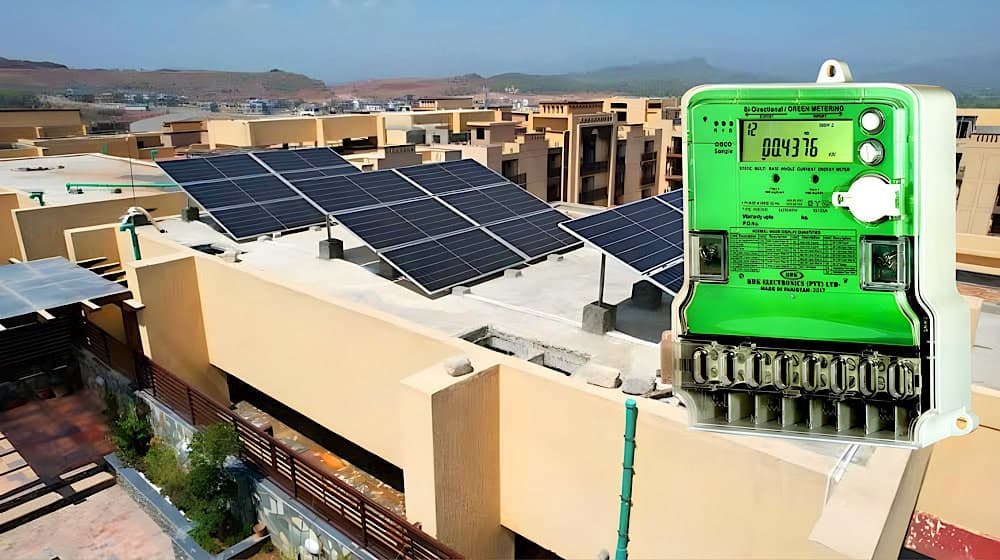
Pakistan's Federal Power Division has resolved a massive backlog in solar net-metering applications, clearing 11,695 pending cases that had accumulated during the transition from the old net-metering system to net billing. The move, ordered by Federal Minister for Power Division Sardar Awais Ahmad Khan Leghari, represents a significant step toward accelerating Pakistan's solar energy expansion and removing administrative barriers that have frustrated consumers and impeded renewable energy adoption.
A Critical Backlog Resolved
Of the 16,654 net-metering applications that remained pending during the system transition, the Power Division has now verified and cleared 11,695 as complete, valid, and fully compliant with applicable rules and regulations. The remaining 4,959 applications are currently undergoing verification and validation to ensure compliance and prevent fraudulent applications or those containing incorrect information from entering the system. The backlog represented a major administrative bottleneck in Pakistan's renewable energy transition. Consumers waiting for net-metering approval couldn't proceed with solar installations, delaying the deployment of rooftop solar panels across the country. The clearance removes these delays and allows thousands of consumers to move forward with their solar projects.
Direct Consumer Contact to Counter Agents and Exploitation
To prevent fraudsters and intermediaries from exploiting consumers, the Pakistan Information Technology Company (PITC) is now contacting the 11,695 cleared applicants directly through text messages, WhatsApp, and other digital channels. This direct communication approach is specifically designed to protect consumers from agents who might otherwise charge fees for application processing or claim they can expedite cases through unofficial channels. The Power Division has explicitly warned consumers that no fees or payments should be made to any individual for processing their applications. Legitimate applications require no payment beyond the initial submission. This warning reflects a broader government effort to eliminate middlemen in the renewable energy approval process and ensure transparent, direct government-to-consumer communication. Consumers can also verify their application status independently through the online portal at nmverification.pitc.com.pk, providing an additional layer of transparency and allowing consumers to confirm their progress without relying on third parties.
Online Portal for Status Verification
The government has established a dedicated online platform where consumers can check application status in real time. This transparency mechanism is critical in Pakistan's context, where complex government processes have historically made consumers vulnerable to agent exploitation. By making status information directly accessible, the Power Division is shifting power back to consumers and reducing information asymmetry that agents have traditionally exploited. The online portal represents a modernization of government service delivery—moving approval status from manual requests and phone calls to instantaneous digital access. For a country attempting to modernize its administrative systems, this is a meaningful step forward.
Minister Leghari's Directive and Policy Priority
Federal Minister Sardar Awais Ahmad Khan Leghari has made it clear that resolving legitimate consumer cases without unnecessary delays is a government priority. His special directives to clear the backlog signal high-level commitment to unblock the renewable energy transition. "The government's top priority is to resolve legitimate public grievances without unnecessary delays or interference," Leghari stated. This messaging is important because it acknowledges that previous delays and administrative friction have created legitimate grievances among consumers. By prioritizing resolution, the minister is signaling that the government views renewable energy adoption as a core policy goal worth administrative effort to unblock.
What Comes Next
With 11,695 applications cleared and direct consumer contact underway, the next phase will be monitoring how quickly these consumers can move from approval to actual installation. Installation capacity, equipment costs, and supply-chain constraints will now become the limiting factors rather than administrative approval delays. The government has directed concerned organizations to accelerate verification of the remaining 4,959 applications, suggesting the current pace of clearance could continue or accelerate. For Pakistan's renewable energy transition, the clearance of this backlog is symbolically and practically significant. It removes a major administrative barrier and demonstrates government commitment to the solar expansion already underway. Whether this translates into continued rapid solar growth will depend on whether equipment prices remain accessible, installation services expand to meet demand, and the net-metering framework itself remains stable and attractive to investors. For now, though, nearly 12,000 Pakistani consumers can finally move forward with solar installations they've been waiting to deploy. In the aggregate, that deployment will add megawatts of distributed generation capacity to Pakistan's grid and continue the remarkable transformation of Pakistan's electricity system from fossil-fuel dominated to increasingly renewable-powered.
Sponsored

Sources
Related Articles