 TEKZARO
Computing
This Nvidia GPU Costs 10x More Than A PlayStation 5 Pro
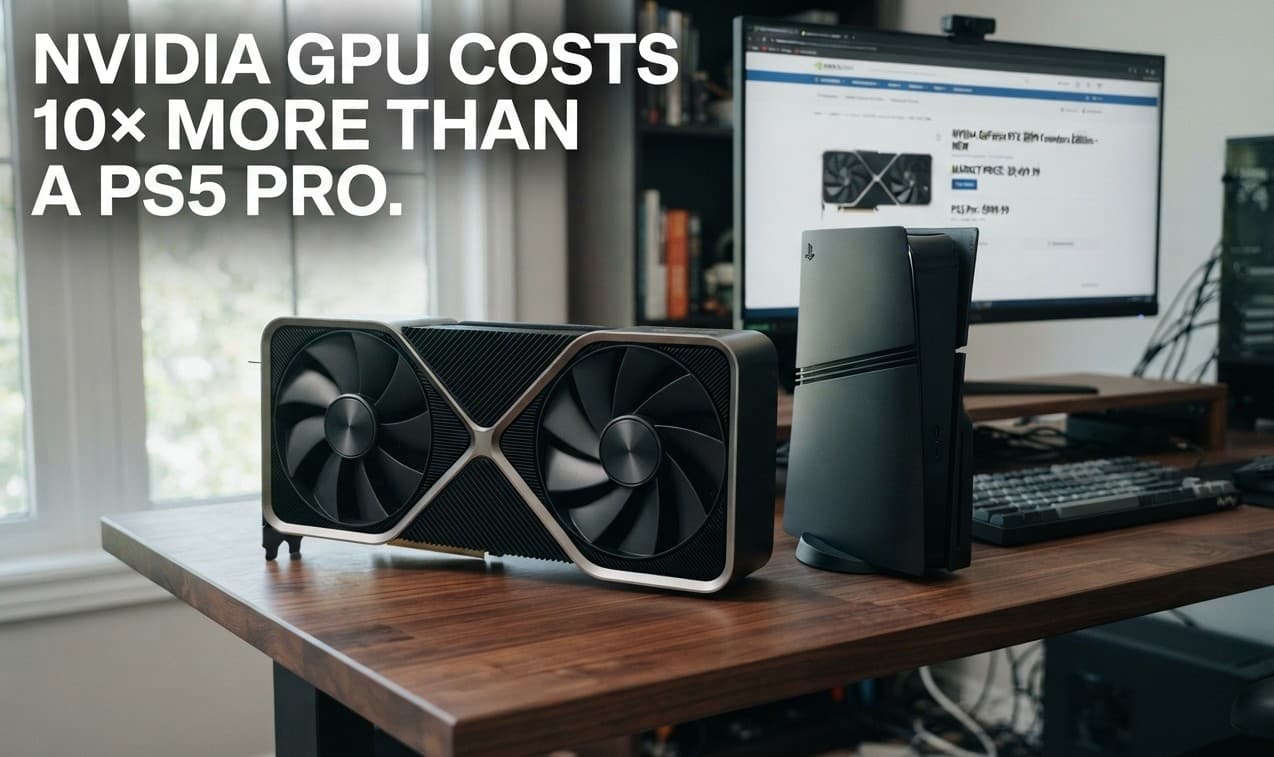
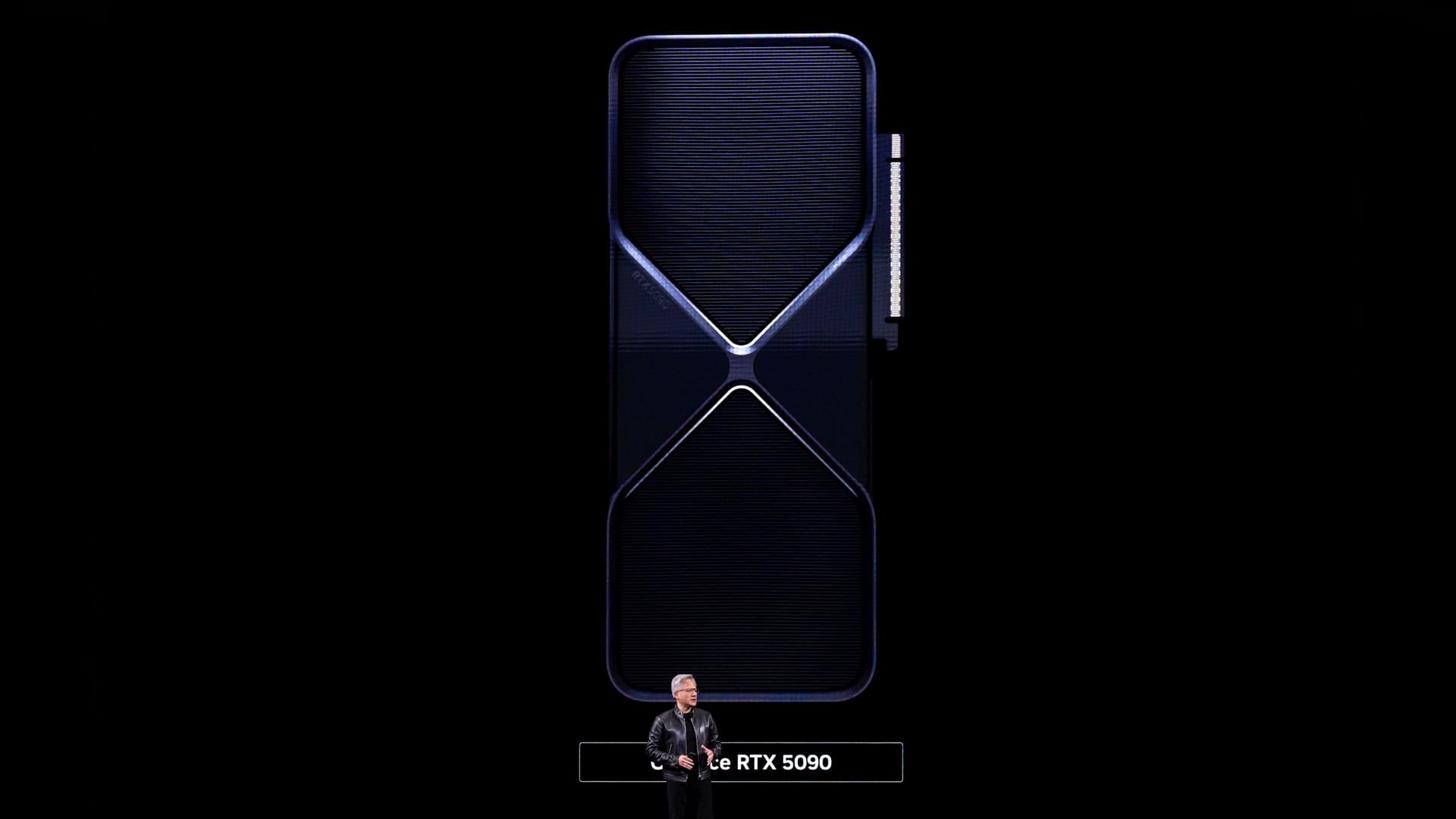
The Nvidia RTX 5090 launched at $1,999 last year. As of the week of September 13, 2026, it is selling on Newegg for around $9,000. Some listings have crossed $14,000.
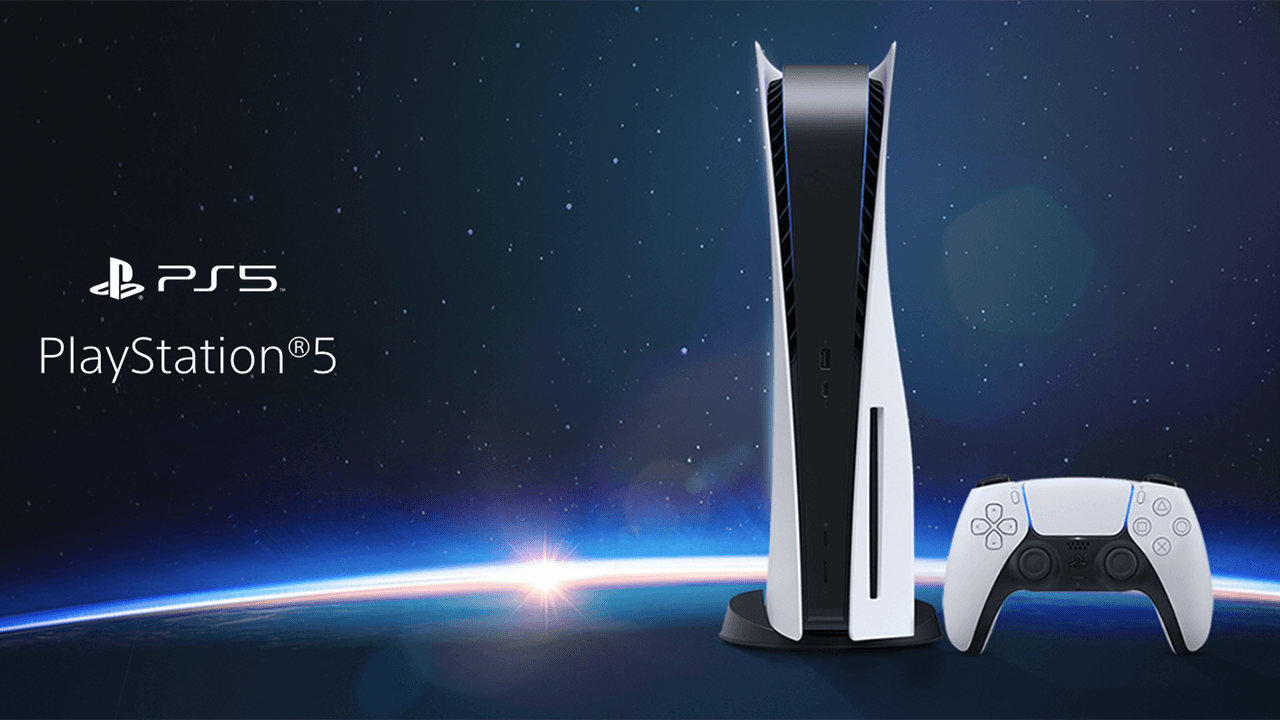
The PlayStation 5 Pro costs $899 through the PlayStation Store.
How We Got Here
The RTX 5090 was already a premium flagship at its $1,999 launch price, sitting far above cards that most gamers actually buy. By the start of September 2026, prices had climbed to at least $5,000. The further spike to $9,000 — and beyond — happened over the following two weeks.
The pattern has a by-now familiar cause. Most of the exorbitantly priced RTX 5090 listings on Newegg do not originate from Newegg itself. They come from third-party sellers using the platform as a marketplace, most appearing to operate out of Hong Kong. These sellers are not bound by any manufacturer's suggested price. They charge what the market will bear, and the market has been bearing a great deal.
The Absurdity of the Comparison
A PS5 Pro at $899 and an RTX 5090 at $9,000 are not the same kind of product, but the comparison is useful precisely because it forces the price into human terms.
The RTX 5060 Ti and RTX 5070 are both more powerful than the PS5 Pro. Newegg sells most of those cards between $500 and $900. The practical implication: a buyer who wants PC gaming performance that exceeds the PS5 Pro does not need to spend $9,000. They do not need to spend $2,000. They can get there for less than the price of a PS5 Digital Edition.
The RTX 5090 is not a gaming card for most people. It is the absolute ceiling of consumer graphics hardware, bought by professional visualisation workloads, machine learning researchers and a small number of gamers who simply want the best regardless of price. The secondhand and grey-market premium on it is driven by demand from that last category, and by scalers who understand that demand exists.
What It Says About the GPU Market
Nvidia's situation in 2026 is unusual even by the standards of the AI infrastructure boom.
The company holds roughly 90 percent of the discrete desktop GPU market, with AMD at about 8 percent and Intel at 2 percent. At the top end of the consumer stack, competition is effectively absent. There is no comparable product from any other manufacturer that a buyer could choose instead of a $9,000 RTX 5090.
That dynamic — monopoly-level market share at the high end, in a moment of extraordinary AI-driven demand — removes the usual ceiling on scalper pricing. When the card is rare, demand is inelastic, and no alternative exists, the price is whatever the marginal buyer will pay.
The broader retail GPU market is not broken in the same way. PHLX Semiconductor Index has fallen roughly 20 percent from its June peak, and mid-range cards remain reasonably priced relative to performance. It is specifically the flagship that has become untethered.
What a Buyer Should Do
The obvious answer for a gamer who does not specifically need a 5090 is to buy a 5060 Ti or 5070.
The less obvious answer, for anyone genuinely considering the 5090 at current prices, is to check whether the seller offering it is actually Newegg or a third-party using Newegg's platform, where it ships from, and what the warranty and return policy is. A $9,000 GPU sold by an overseas third-party with a 15-day return window is a meaningfully different purchase than the same card sold by a major retailer with full manufacturer warranty support.
GPU prices at this end of the market have historically corrected when supply increases or hype cycles moderate. The RTX 5090 may or may not be worth $9,000 to any particular buyer. It is almost certainly not worth $14,000.
Sources: BGR
Sources
Related Articles